Introduction
As oil and gas exploration continues to expand into deep wells, ultra-deep wells, horizontal wells, and other challenging geological formations, drilling fluid performance has become increasingly important. A well-designed drilling fluid system not only transports drill cuttings and balances formation pressure but also plays a critical role in wellbore stability, drilling efficiency, and operational safety.
Among the many drilling fluid additives used in modern water-based mud (WBM) systems, Polyacrylamide (PAM) is one of the most widely applied polymer additives. Thanks to its excellent flocculation, encapsulation, viscosity modification, and fluid-loss control properties, PAM has become an essential component in improving drilling performance and reducing drilling risks.
What Is Polyacrylamide (PAM)?
Polyacrylamide (PAM) is a high-molecular-weight, water-soluble polymer synthesized from acrylamide monomers. It is known for its excellent solubility, chemical stability, and ability to modify the physical properties of drilling fluids.
Based on its ionic characteristics, PAM is generally classified into three types:
- Anionic Polyacrylamide (APAM) – Commonly used for flocculation, shale encapsulation, and solids control in water-based drilling fluids.
- Cationic Polyacrylamide (CPAM) – Primarily applied in sludge dewatering, wastewater treatment, and selected oilfield applications.
- Nonionic Polyacrylamide (NPAM) – Suitable for low-salinity systems and certain specialized drilling fluid formulations.
Among these, anionic and modified polyacrylamides are the most widely used in oil and gas drilling operations.
Key Functions of Polyacrylamide in Drilling Fluids
1. Improving Wellbore Stability
Wellbore instability is one of the most common challenges encountered during drilling, especially in reactive shale formations. Water invasion into shale can cause hydration, swelling, and sloughing, leading to stuck pipe, tight holes, and increased drilling costs.
Polyacrylamide helps form a protective film on the wellbore surface, reducing water penetration and minimizing shale hydration. As a result, it significantly improves wellbore stability and decreases the risk of collapse.
2. Encapsulating Drill Cuttings
Fine drill cuttings dispersed in drilling fluids can negatively affect rheology and solids control.
PAM effectively encapsulates drill cuttings, preventing further dispersion and promoting the removal of solids through the surface solids control system. This helps maintain cleaner drilling fluids and improves overall drilling performance.
3. Optimizing Drilling Fluid Rheology
Maintaining proper rheological properties is essential for efficient cuttings transport and stable circulation.
Polyacrylamide enhances drilling fluid viscosity, gel strength, and suspension capability, allowing drill cuttings to be carried more efficiently to the surface while maintaining stable drilling fluid performance.
4. Reducing Fluid Loss
Excessive fluid loss can damage the formation and compromise wellbore integrity.
PAM contributes to the formation of a thin, low-permeability filter cake, helping reduce filtrate invasion into the formation while protecting productive zones and improving drilling safety.
5. Increasing Drilling Efficiency
By improving wellbore stability, reducing drilling complications, and maintaining drilling fluid performance, Polyacrylamide contributes to higher rates of penetration (ROP), shorter drilling cycles, and lower overall operating costs.
Advantages of Using Polyacrylamide in Water-Based Drilling Fluids
Polyacrylamide offers several important benefits for drilling operations:
- Excellent water solubility and rapid hydration
- High molecular weight for effective encapsulation and flocculation
- Improved wellbore stability in shale formations
- Enhanced rheological performance and cuttings transport
- Reduced fluid loss and formation damage
- Good compatibility with CMC, Xanthan Gum, Potassium Polyacrylate (KPAM), Sulfonated Lignite (SMC), Sulfonated Phenolic Resin (SPNH), and other drilling fluid additives
- Suitable for conventional wells, directional wells, horizontal wells, and deep drilling applications
How to Select the Right Polyacrylamide
Choosing the appropriate PAM grade depends on several drilling conditions, including:
- Formation type
- Water-based drilling fluid formulation
- Formation temperature
- Salinity and hardness
- Molecular weight requirements
- Compatibility with other drilling fluid additives
Laboratory evaluation and field testing are recommended to determine the most suitable product for specific drilling conditions.
Jinxing Chemical Polyacrylamide Solutions
Jinxing Chemical supplies a comprehensive range of Polyacrylamide products for oilfield applications, including:
- Anionic Polyacrylamide (APAM)
- Cationic Polyacrylamide (CPAM)
- Nonionic Polyacrylamide (NPAM)
Our products feature:
- High purity and consistent quality
- High molecular weight
- Fast dissolution and easy handling
- Excellent salt resistance
- Stable compatibility with various drilling fluid systems
- Customizable specifications to meet different drilling requirements
Supported by strict quality control and continuous product development, our Polyacrylamide products are widely used in water-based drilling fluid systems to improve drilling performance and reduce operational risks.
Conclusion
Polyacrylamide has become an indispensable additive in modern drilling fluid systems. Its ability to improve wellbore stability, optimize rheology, control fluid loss, and enhance drilling efficiency makes it a valuable component in water-based drilling operations.
As drilling projects continue to move toward deeper, hotter, and more complex formations, high-performance Polyacrylamide solutions will remain essential for achieving safer, more efficient, and more cost-effective drilling operations.
Whether you are developing conventional oilfields or challenging shale formations, selecting high-quality Polyacrylamide can significantly improve drilling performance and help reduce overall operational costs.
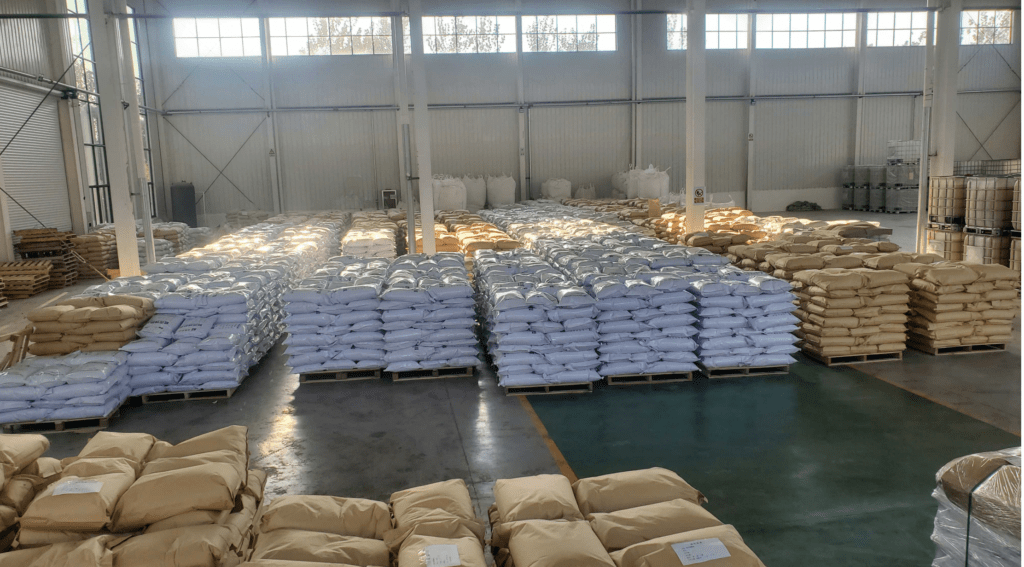
Selecting polyacrylamide products with stable performance and reliable quality, combined with scientifically sound drilling fluid formulations, will help improve drilling efficiency and reduce overall costs, thereby providing a solid foundation for safe and efficient oil and gas development.