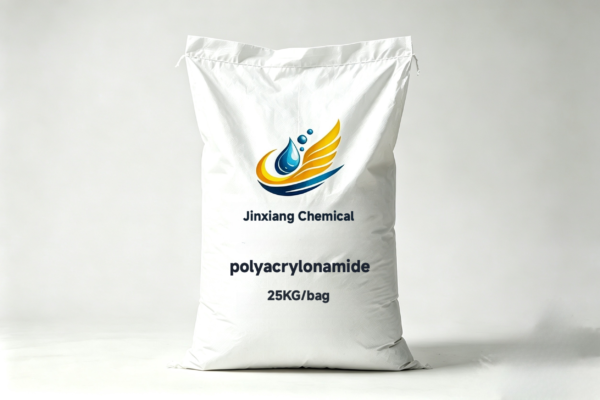
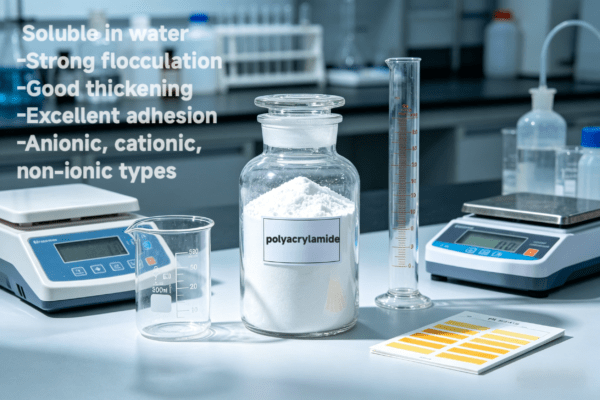
Polyacrylamide (PAM) | Industrial Grade Technical Data Sheet
1. Product Introduction
Polyacrylamide (PAM) is a high-molecular synthetic water-soluble polymer. In industrial fields, it acts as a professional flocculant, special wastewater treatment additive and functional polymer for petroleum extraction. It is divided into anionic, cationic and non-ionic types according to ionic characteristics. With the properties of molecular chain adsorption, charge neutralization and bridging flocculation, PAM maintains stable physical and chemical performance in complex industrial environments.
2. Industrial Application Scope
2.1 Wastewater Treatment Additive
As a core wastewater treatment agent, PAM is widely used for municipal domestic sewage, industrial wastewater, as well as wastewater from papermaking, chemical and slaughterhouse industries. Its high molecular activity can rapidly aggregate suspended particles, colloidal pollutants and heavy metals to form dense flocs, effectively reducing turbidity, chemical oxygen demand (COD), ammonia nitrogen and other indicators. It also optimizes the sludge dewatering process, lowers sludge volume and subsequent disposal costs.
2.2 Polymer for Petroleum Extraction
In the petrochemical industry, PAM is an indispensable polymer for petroleum extraction. It is widely used in drilling, cementing, fracturing, enhanced oil recovery and other processes. PAM improves the rheological properties of mud, prevents wellbore collapse and enhances cuttings carrying capacity. In tertiary oil recovery, it increases the viscosity of water phase to improve oil displacement efficiency and crude oil output. Moreover, it can be applied to the purification and recycling of oilfield produced water.
2.3 Other Industrial Fields
Apart from water treatment and petroleum exploitation, this polymer is also commonly used in mineral processing, coal washing, metallurgy, building materials and other industries. It delivers reliable effects in solid-liquid separation, dispersion stabilization and thickening modification, meeting diverse industrial processing demands.
3. Technical Parameters
All products comply with industrial manufacturing standards. The following parameters help users select appropriate models for different working conditions:
sheet
| Item | Anionic Polyacrylamide (APAM) | Cationic Polyacrylamide (CPAM) | Non-ionic Polyacrylamide (NPAM) |
|---|---|---|---|
| Molecular Weight (million) | 4–24 | 5–15 | 6–15 |
| Solid Content (%) | ≥88 | ≥88 | ≥88 |
| Dissolution Time | ≤60 min | 40–60 min | ≤60 min |
| Temperature Resistance | ≤140°C | ≤160°C | ≤120°C |
| Residual Monomer | ≤0.05% | ≤0.05% | ≤0.05% |
| Applicable pH Range | 6–12 | 4–10 | 1–8 |
4. Product Advantages
- Superior flocculation performance: The optimized molecular structure realizes rapid coagulation and stable floc formation, achieving efficient solid-liquid separation.
- Economical dosage: A small dosage can greatly reduce chemical consumption and overall operating costs.
- Strong environmental adaptability: It resists temperature and pH changes, suitable for harsh industrial working conditions.
- Strict production standards: The residual monomer content is strictly controlled. High purity conforms to international environmental and industrial safety regulations.
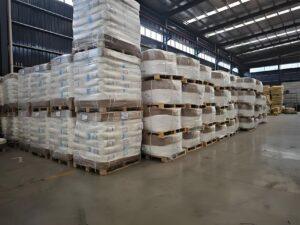
5. Storage & Handling
To keep stable product performance, store PAM in a sealed, dry, cool and well-ventilated area, and keep it away from direct sunlight and dampness. It is recommended to prepare aqueous solution with clean water at normal temperature. Adjust the solution concentration and feeding amount according to actual water quality and construction requirements.