تُستخدم صمغ الزانثان على نطاق واسع في سوائل الحفر ذات الأساس المائي، لأنها تساعد في التحكم في اللزوجة، وتحسين الخصائص الريولوجية، ودعم تعليق الحطام. وفي عمليات الحفر، يجب أن يقوم نظام الطين بنقل الحطام إلى السطح، وتعليق المواد الصلبة عند تباطؤ الدوران، والحفاظ على استقراره في ظل الظروف الميدانية المتغيرة.
بالنسبة للمشترين، لا يكمن التحدي في مجرد العثور على مسحوق صمغ الزانثان. بل إن التحدي الحقيقي هو اختيار درجة جودة تؤدي أداءً جيدًا في أنظمة سوائل الحفر. فقد لا يلبي صمغ الزانثان المخصص للاستخدام الغذائي أو الصناعي العام دائمًا متطلبات تطبيقات الحفر في حقول النفط.
يشرح هذا الدليل كيفية صمغ الزانثان المستخدم في سوائل الحفر كيف تعمل، ومتى ينبغي استخدامها، وما الذي يجب على المشترين التحقق منه قبل الشراء.
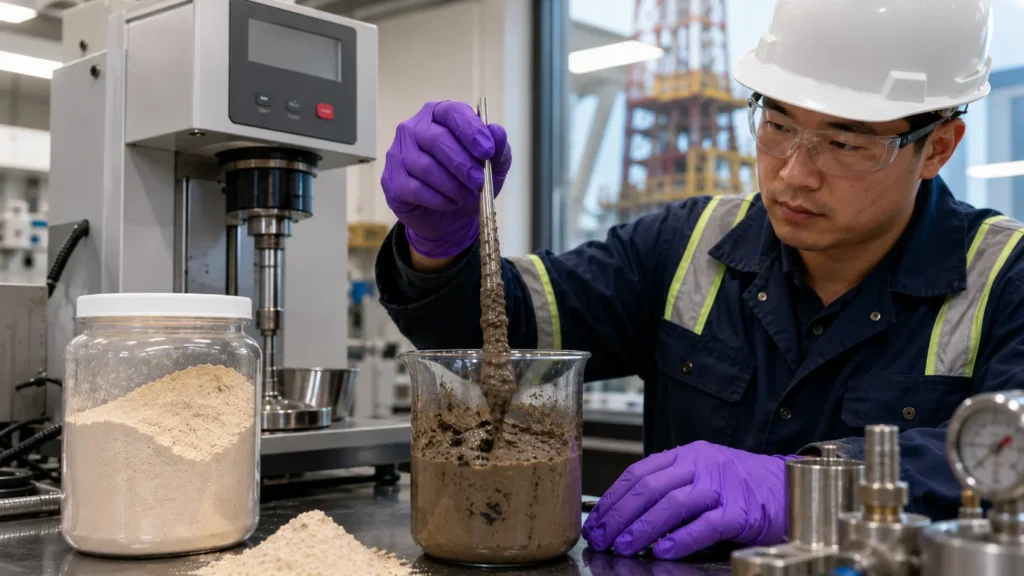
ما هي صمغ الزانثان؟
صمغ الزانثان هو بوليمر حيوي قابل للذوبان في الماء يُستخدم كمكثف ومثبت ومعدّل للخصائص الريولوجية. وفي سوائل الحفر، غالبًا ما يُستخدم لتحسين اللزوجة وأداء التعليق في أنظمة الطين ذات الأساس المائي.
في تطبيقات حقول النفط، قد يُشار إلى صمغ الزانثان أيضًا باسم بوليمر XC. ويُستخدم بشكل أساسي عندما يحتاج سائل الحفر إلى لزوجة جيدة في ظروف القص المنخفض وقدرة حمل مستقرة.
بعبارات بسيطة، تساعد صمغ الزانثان على جعل طين الحفر سميكًا بدرجة كافية لتعليق المواد الصلبة فيه، مع الحفاظ على قابليته للضخ بحيث يمكن تدويره عبر النظام.
لماذا يُستخدم في سوائل الحفر
يجب أن يؤدي سائل الحفر عدة مهام في آن واحد. فعليه نقل الحطام، وتعليق مواد التثقيل، وتبريد رأس الحفر وتزييته، ودعم استقرار حفرة البئر، والمساعدة في الحفاظ على التحكم في الضغط.
بصفتي مضافات سوائل الحفر, ، تُستخدم صمغ الزانثان بشكل أساسي في:
- التحكم في اللزوجة
- تعديل الخصائص الريولوجية
- تعليق عملية القطع
- القدرة الاستيعابية للمواد الصلبة
- الاستقرار في ملاط الحفر ذي الأساس المائي
- أداء محسّن في ظروف القص المنخفض
وهذا يجعل سائل الحفر الذي يحتوي على صمغ الزانثان مفيدًا بشكل خاص في الحالات التي يكون فيها تنظيف البئر وتعليق الجسيمات أمرين مهمين.
البوليمر كمُثخِّن لسوائل الحفر
تتمثل إحدى الوظائف الرئيسية لصمغ الزانثان في التحكم في اللزوجة. فمواد زيادة اللزوجة المناسبة لسوائل الحفر تساعد في الحفاظ على لزوجة كافية للطين من أجل إخراج الحطام الناتج عن الحفر خارج تجويف البئر.
إذا كان الطين رقيقًا جدًّا، فقد تترسب بقايا الحفر في قاع الحفرة. وقد يؤدي ذلك إلى زيادة خطر سوء تنظيف الحفرة، وانحشار الأنبوب، وعدم استقرار أداء الحفر.
تساعد صمغ الزانثان على زيادة اللزوجة، لا سيما في ظروف القص المنخفض. وهذا يعني أن الملاط يصبح أكثر قدرة على تعليق المواد الصلبة عندما يتباطأ تدفق السائل أو يتوقف. وفي الوقت نفسه، يظل السائل قادراً على التحرك عبر المضخات وأنابيب الحفر أثناء عملية التدوير.
ويُعد هذا التوازن أحد الأسباب التي تجعل صمغ الزانثان يُختار غالبًا كمُثخِّن لطين الحفر في الأنظمة القائمة على الماء.
كيف إنه التحكم في الخصائص الريولوجية
يشير مصطلح «الريولوجيا» إلى كيفية تدفق السائل في ظل ظروف مختلفة. وفيما يتعلق بسوائل الحفر، تُعد الريولوجيا الجيدة أمرًا مهمًا لأن الطين يجب أن يتصرف بشكل مختلف في المراحل المختلفة من العملية.
أثناء عملية الدوران، يجب أن يتدفق الملاط عبر الأنابيب والفوهات. وفي حفرة البئر، يجب أن يتمتع الملاط بصلابة كافية لحمل الحطام. وعندما يتباطأ الدوران، يجب أن يساعد الملاط في إبقاء المواد الصلبة معلقة.
تساعد صمغ الزانثان في الحفاظ على هذا التوازن من خلال تحسين اللزوجة عند القص المنخفض وسلوك المعلق. ويُعد ذلك مفيدًا بشكل خاص في الآبار الموجهة والآبار الأفقية وظروف الحفر الأخرى التي قد يكون فيها نقل الحطام أكثر صعوبة.
ولهذا السبب، غالبًا ما يُستخدم طين الحفر المحتوي على صمغ الزانثان عندما يتطلب نظام الطين لزوجة مستقرة وقدرة حمل جيدة.
مقارنة بين صمغ الزانثان وCMC في سوائل الحفر
يُستخدم كل من صمغ الزانثان وCMC في سوائل الحفر ذات الأساس المائي، لكن لا يتم اختيارهما دائمًا لنفس السبب.
صمغ الزانثان وغالبًا ما يتم اختياره عندما تكون التحكم في الخصائص الريولوجية، والقدرة على التعليق، واللزوجة عند القص المنخفض من العوامل المهمة. وهو مفيد عندما يحتاج الملاط إلى قدرة حمل عالية وسلوك تدفق مستقر.
مسحوق CMC وغالبًا ما يُستخدم عندما يحتاج نظام طين الحفر إلى تحسين اللزوجة وتقليل فقدان السوائل في آن واحد. ويمكن أن يساعد مركب الكربونات الكاليوم (CMC) في تحسين جودة الكعكة المرشحة وتقليل فقدان المرشح في طين الحفر ذي الأساس المائي.
في بعض التركيبات، يمكن استخدام صمغ الزانثان وCMC معًا. ويعتمد الاختيار النهائي على تصميم سائل الحفر وظروف الحفر وأهداف الأداء.
متى ينبغي عليك استخدام البوليمر?
قد تكون صمغ الزانثان خيارًا جيدًا عندما يحتاج نظام سائل الحفر إلى تحسين التعليق، أو استقرار اللزوجة، أو التحكم في الخصائص الريولوجية.
يُعتبر ذلك أمرًا شائعًا في الحالات التالية:
- نقل العقل ضعيف
- يحتاج تعليق المواد الصلبة إلى تحسين
- يلزم أن تكون اللزوجة منخفضة عند القص
- تحتاج طينات الحفر ذات الأساس المائي إلى استقرار أفضل
- تتطلب الآبار الاتجاهية أو الأفقية قدرة تحمل أكبر
- يحتاج نظام الطين إلى مادة لزجة موثوقة مصنوعة من البوليمرات الحيوية
ومع ذلك، لا ينبغي اختيار صمغ الزانثان لمجرد أنه مادة كيميائية شائعة الاستخدام في حقول النفط. يجب على المشترين التحقق مما إذا كانت الدرجة المناسبة ملائمة لدرجة الحرارة المتوقعة، ومستوى الملوحة، وتركيبة الطين، وظروف الحقل.
ما يجب على المشترين التحقق منه قبل الشراء
ليس كل مسحوق صمغ الزانثان مناسبًا لسوائل الحفر. قبل الشراء، ينبغي على المشترين التحقق من أداء المنتج وتوافقه.
ومن بين النقاط المهمة ما يلي:
- أداء اللزوجة. يجب أن يوفر المنتج اللزوجة المناسبة عند التركيز المطلوب.
- السلوك الريولوجي. يجب أن تضمن صمغ الزانثان الجيد استقرار التدفق وأداء التعليق في نظام الطين.
- تحمل الملوحة. إذا كان سائل الحفر يحتوي على أملاح، فيجب اختبار المنتج للتأكد من توافقه.
- استقرار درجة الحرارة. يجب على المشترين التأكد مما إذا كان المنتج قادرًا على الحفاظ على أدائه في ظل درجة الحرارة المتوقعة أثناء الحفر.
- جودة الذوبان. يجب أن تتوزع صمغ الزانثان وترطب بشكل صحيح دون أن تتشكل كتل كبيرة.
- التوافق. من المفترض أن يعمل بشكل جيد مع غيره إضافات طين الحفر, ، مثل CMC ومسحوق الباريت ومثبطات الصخر الزيتي ومواد التشحيم المستخدمة في الحفر.
يُنصح بإجراء اختبارات على عينات قبل الشراء بالجملة، لا سيما عندما تكون تركيبة الطين جديدة أو عندما تكون الظروف الميدانية صعبة.
المشاكل الشائعة عند الاستخدام البوليمر
إحدى المشكلات الشائعة هي سوء التشتت. فإذا أُضيفت صمغ الزانثان بسرعة كبيرة، فقد تتشكل كتل مما يقلل من فعالية الأداء.
هناك مشكلة أخرى تتمثل في الجرعة الزائدة. فقد يؤدي استخدام كمية زائدة من مادة زيادة اللزوجة إلى رفع لزوجة الملاط إلى ما يتجاوز النطاق المستهدف، مما يجعل عملية الضخ أكثر صعوبة.
المشكلة الثالثة هي استخدام الدرجة غير المناسبة. فقد لا يوفر مسحوق صمغ الزانثان العام نفس الأداء الذي يوفره المنتج المخصص للحفر في تطبيقات حقول النفط.
كما ينبغي على المشترين تجنب تقييم صمغ الزانثان بناءً على السعر وحده. فالتكلفة الفعلية تعتمد على الجرعة، واستقرار الأداء، والتوافق مع نظام سائل الحفر بأكمله.
خاتمة
تلعب صمغ الزانثان دورًا مهمًا في سوائل الحفر ذات الأساس المائي. فهي تساعد في التحكم في اللزوجة، وتحسين الخصائص الريولوجية، ودعم تعليق الحطام، والحفاظ على استقرار أداء سائل الحفر.
بالنسبة للمشترين، يكمن المفتاح في اختيار درجة من صمغ الزانثان تتوافق مع نظام سائل الحفر ودرجة الحرارة والملوحة ومتطلبات الحقل. وينبغي اختبارها مع المواد الكيميائية الأخرى المستخدمة في حقول النفط قبل استخدامها بكميات كبيرة.
تقوم شركة «جينشيانغ كيميكال» بتوريد صمغ الزانثان المستخدم في سوائل الحفر، بالإضافة إلى مواد كيميائية أخرى خاصة بحقول النفط، وذلك لاستخدامها في أنظمة طين الحفر ذات الأساس المائي. اتصل بفريقنا لمناقشة احتياجاتكم من سوائل الحفر واختيار منتج مناسب من صمغ الزانثان.
الأسئلة الشائعة
ما هي وظيفة صمغ الزانثان في سوائل الحفر؟
تُستخدم صمغ الزانثان كمُثخّن لسوائل الحفر ومُعدِّل لخصائصها الريولوجية. فهو يساعد على تحسين اللزوجة، وتعليق الحطام، واستقرار الطين في سوائل الحفر ذات الأساس المائي.
هل صمغ الزانثان هو نفسه بوليمر XC؟
في تطبيقات حقول النفط، يُشار إلى صمغ الزانثان غالبًا باسم بوليمر XC. ويُستخدم عادةً لتحسين الخصائص الريولوجية وأداء التعليق.
هل صمغ الزانثان أفضل من CMC؟
تختلف وظائف صمغ الزانثان وCMC. فصمغ الزانثان يُستخدم غالبًا للتحكم في الخصائص الريولوجية والتعليق، بينما يُستخدم CMC غالبًا للتحكم في اللزوجة وفقدان السوائل.
هل يمكن استخدام صمغ الزانثان مع إضافات سوائل الحفر الأخرى؟
نعم. يمكن استخدام صمغ الزانثان مع إضافات أخرى لسوائل الحفر، مثل CMC ومسحوق الباريت ومثبطات الصخر الزيتي ومواد التشحيم، وذلك وفقًا لتركيبة سائل الحفر.
كيف أختار موردًا لصمغ الزانثان؟
ينبغي على المشترين التحقق من أداء اللزوجة، وملاءمة الدرجة، ومقاومة الملح، والاستقرار الحراري، والتعبئة والتغليف، وتوافر العينات، والخبرة في مجال التصدير قبل اختيار مورد لصمغ الزانثان.


[…] Relevant candidates may include Sulfonated lignite SMC and Lignite Resin SPNH. For viscosity and suspension context, review the xanthan gum drilling-fluids guide. […]