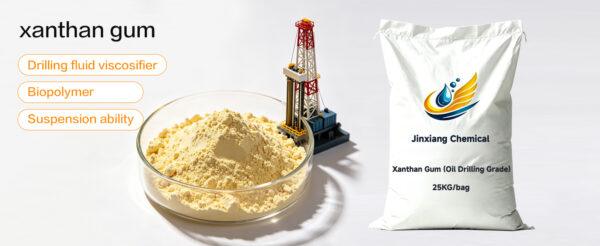
صمغ الزانثان – عامل تكثيف
Product Overview
صمغ الزانثان هو بوليمر حيوي عالي الوزن الجزيئي يُنتج عن طريق التخمير الميكروبي، وهو مصمم خصيصًا للاستخدام في سوائل حفر آبار النفط. ويُستخدم كعامل زيادة اللزوجة عالي الكفاءة، وكعامل للتحكم في فقدان السوائل، وكعامل تعليق.
يحافظ هذا المنتج على خصائص ريولوجية مستقرة في ظروف درجات الحرارة المرتفعة، والملوحة العالية، والمحتوى العالي من الكالسيوم، مما يساهم بشكل فعال في تثبيت جدار البئر وتسهيل نقل الحطام. ويستخدم على نطاق واسع في الآبار العميقة، والآبار الموجهة، والآبار الأفقية، وأنظمة سوائل الحفر القائمة على المحلول الملحي.
Key Features & Functions
- خاصية ممتازة لتخفيف اللزوجة تحت تأثير القص: لزوجة ثابتة عالية لضمان تعليق ممتاز للقطع؛ ولزوجة منخفضة أثناء الضخ لضمان انسيابية أفضل وكفاءة حفر أعلى.
- مقاومة حرارية ومقاومة للملوحة فائقة: أداء مستقر في درجات الحرارة المرتفعة وأنظمة المياه المالحة عالية الملوحة/المحلول الملحي المشبع.
- التحكم الفعال في فقدان السوائل: يشكل كعكة ترشيح مدمجة ومنخفضة النفاذية للحد من تغلغل المرشح وحماية التكوين.
- قدرة عالية على حمل القصاصات: تعمل على تعليق الباريت ومواد التثقيل بفعالية، وتنظيف حفرة البئر، ومنع الترسب.
- توافق جيد: متوافق مع مختلف إضافات سوائل الحفر، ومناسب لأنظمة المياه العذبة ومياه البحر والمحلول الملحي.
- Eco-friendly: biodegradable and low-toxic
Packaging & Storage
- التعبئة والتغليف: 25 كجم لكل كيس، كيس من ورق الكرافت / كيس منسوج مبطّن بطبقة من البولي إيثيلين.
- التخزين: يُخزن في مكان بارد وجاف وجيد التهوية، مع تجنب الرطوبة وأشعة الشمس المباشرة ودرجات الحرارة المرتفعة.
- مدة الصلاحية: سنتان في حالة التخزين السليم.
- النقل: غير خطرة، ومناسبة للنقل البحري والبري.
Application Method
- يمكن إضافته مباشرةً كمسحوق جاف، أو تحضيره في محلول بنسبة تتراوح بين 0.5% و2.0% قبل إضافته إلى سائل الحفر.
- الجرعة الموصى بها: 0.1%–0.4% من حيث حجم الملاط، مع تعديلها وفقًا لعمق البئر ودرجة الحرارة والمتطلبات الريولوجية.
- قم بالتقليب جيدًا أثناء الإضافة، ثم قم بالتدوير لمدة 15–20 دقيقة حتى يتوزع المزيج بالتساوي.
- يمكن استخدامه مع مادة PAC والنشا وراتنج الليغنيت ومواد مضافة أخرى لتحقيق أداء شامل أفضل.
الأسئلة الشائعة
1. What is the primary function of xanthan gum in oil-well drilling fluids?
Xanthan gum serves primarily as a viscosifier, rheology modifier, and suspending agent; it enhances the low-shear viscosity and cuttings-carrying capacity of the drilling fluid, helping to suspend drill cuttings and solid particles such as barite.
2. For which drilling fluid systems is xanthan gum primarily suitable?
It is mainly used in water-based mud (WBM) systems, including fresh water, brine, and various polymer-based systems.
3. How does xanthan gum improve cuttings-carrying capacity?
Xanthan gum offers excellent rheology modification capabilities, increasing the fluid’s viscosity and suspension performance under low-shear conditions, thereby facilitating the transport of drill cuttings from the bottom of the well to the surface.
4. Can xanthan gum prevent barite sag?
Xanthan gum enhances the suspension capacity of drilling fluids, helping to reduce the risk of settling (sagging) for barite and other solid particles. However, actual performance depends on factors such as fluid density, rheological parameters, temperature, and the overall formulation.
5. What is the difference between xanthan gum and CMC/PAC?
Xanthan gum is primarily used for viscosification, rheology modification, and improving suspension and cuttings-carrying capacity. In contrast, while CMC and PAC also adjust viscosity, they are more commonly used for fluid loss control and filter cake improvement. They can be used in combination within drilling fluid formulations as needed.
6. Can xanthan gum be used in conjunction with KCl, K-PAM, and PHPA?
Yes. In appropriate water-based drilling fluid systems, xanthan gum can be combined with additives such as KCl, K-PAM, PHPA, PAC, and CMC to achieve comprehensive performance characteristics, including rheology control, shale inhibition, encapsulation, and fluid loss control.
7. Is xanthan gum suitable for high-salinity environments?
Drilling-grade xanthan gum is generally suitable for water-based systems with certain salinity levels; however, specific salt tolerance depends on the product grade, salt type, salt concentration, and system formulation. Product TDS specifications and laboratory test results should be consulted.
8. Is xanthan gum suitable for high-temperature drilling?
Xanthan gum can be used in various drilling environments, though elevated temperatures may affect its long-term rheological performance. For high-temperature wells, aging tests should be conducted based on actual downhole temperatures, and the formulation should be determined in conjunction with high-temperature resistant additives.
9. What is the recommended dosage of xanthan gum?
The dosage should be determined based on target viscosity, wellbore size, drilling fluid density, salinity, temperature, and cuttings-carrying requirements. It is recommended to determine the optimal dosage through laboratory formulation testing; specifying a fixed dosage in product literature is not recommended.
10. Can xanthan gum be used directly as a fluid loss control agent?
Xanthan gum’s primary function is not specifically fluid loss control. If the customer’s main issue is excessive API or HTHP fluid loss, it is recommended to use it in combination with PAC, CMC, modified starch, or specialized polymer fluid loss control agents.
11. What are the packaging specifications for xanthan gum?
Standard packaging is 25 kg per bag; customized packaging is available to meet export shipping and customer requirements.
12. Can COA, TDS, and MSDS documents be provided for the xanthan gum?
Yes, technical documents such as COA, TDS, and MSDS can be provided. Specific product specifications—such as viscosity, purity, moisture content, and particle size—are subject to the actual supplied grade and batch test results.
13. Under what circumstances is xanthan gum recommended to customers?
Drilling-grade xanthan gum is highly recommended when customers encounter issues such as insufficient drilling fluid viscosity, poor cuttings-carrying capacity, inadequate low-shear suspension properties, or the tendency of solids to settle.
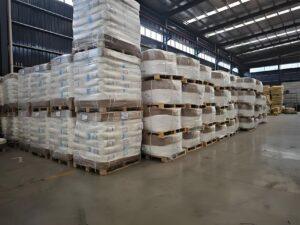
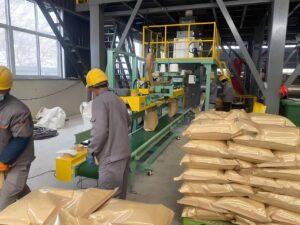
Factory scene