Обзор продукта
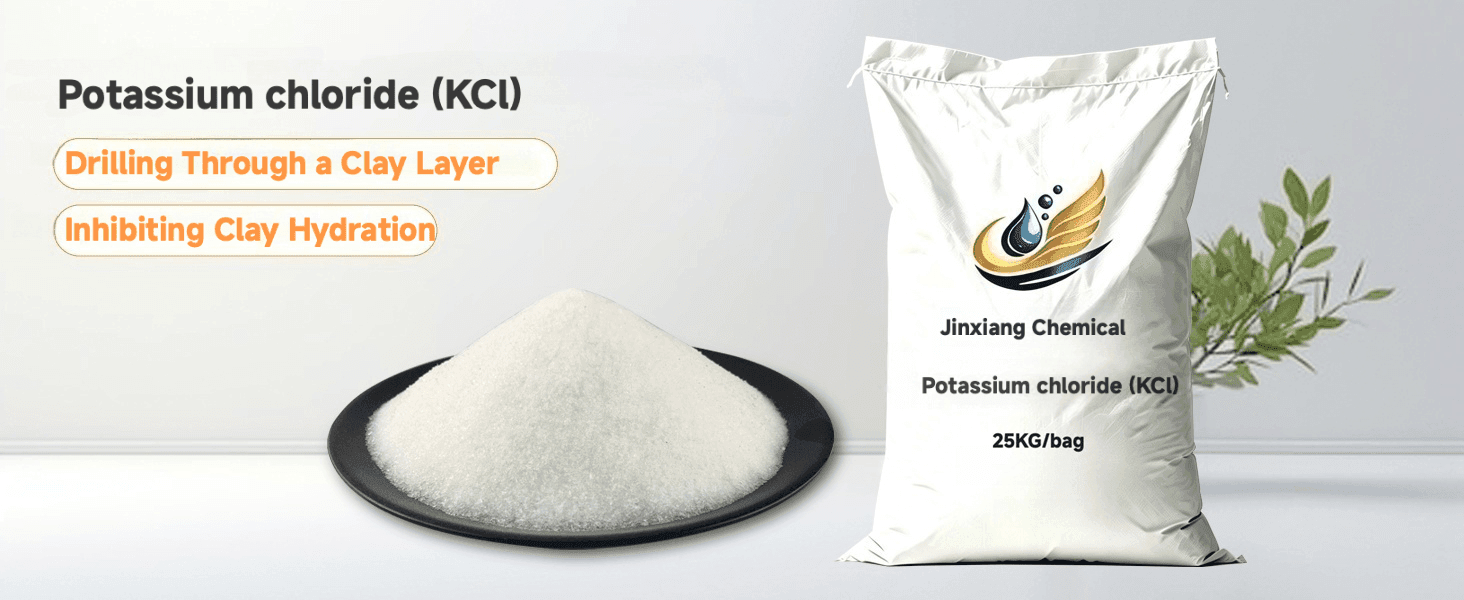
Ионы калия, выделяемые KCl, могут эффективно ослаблять взаимодействие между химически активными глинами и водой. Во время бурения в сланцевых, аргиллитовых и других чувствительных к воде пластах это помогает смягчить такие проблемы, как рассеивание шлама, расширение ствола скважины и нестабильность ствола скважины.
В практических рецептурах буровых растворов KCl часто комбинируют с PHPA, K-PAM и полимерными инкапсуляторами для создания системы буровых растворов на водной основе KCl/полимер, которая обеспечивает превосходное ингибирование и стабильность ствола скважины.
Key Технические характеристики
- Мощное ингибирование сланца
Эффективно препятствует гидратации, набуханию и диспергированию чувствительных к воде сланцев и глин.
- Повышенная стабильность ствола скважины
Помогает снизить риск нестабильности ствола скважины, осыпания и расширения ствола скважины, вызванных гидратацией пласта.
- Уменьшение рассеивания бурового шлама
Сохраняет целостность бурового шлама и сводит к минимуму попадание химически активных твердых веществ в систему бурового раствора.
- Простота формулирования
Имеет хорошую растворимость в воде; подходит для составления и обслуживания ингибирующих систем буровых растворов на водной основе, таких как системы KCl/полимер.
Ключевые приложения
- Системы буровых растворов на водной основе
- Системы ингибирующих буровых растворов
- Чувствительные к воде сланцевые и аргиллитовые образования
- Контроль гидратации и набухания сланца
- Направленные и горизонтальные скважины
- Бурение нефтяных и газовых скважин
Ключевые проблемы бурения решены
Рассмотрите возможность использования системы ингибирования KCl, если во время бурения возникают следующие ситуации:
Набухание сланца при контакте с водой
→ KCl препятствует гидратации глины.
Буровой шлам склонен к диспергированию и превращению в шлам.
→ Уменьшает дисперсию реактивных глин и бурового шлама.
Нестабильность ствола скважины в водочувствительных пластах
→ Помогает улучшить стабильность ствола скважины.
Повышенное загрязнение бурового раствора твердыми частицами.
→ Уменьшает чрезмерную дисперсию глины в буровом растворе.
Упаковка и хранение
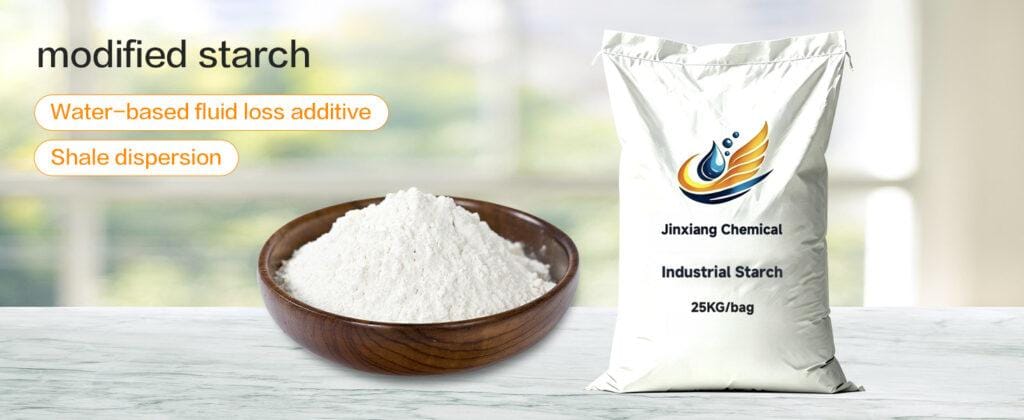
Стандартная упаковка: 25 кг/мешок.
Индивидуальная упаковка может быть предоставлена в соответствии с экспортными рынками и требованиями клиентов.
Продукт следует хранить в прохладном, сухом и вентилируемом помещении, упаковка должна храниться герметично, а во время транспортировки и хранения следует обращать внимание на влагонепроницаемость.
Технические услуги
- Рекомендации по выбору продукта
- Пример тестирования
- Тестирование совместимости бурового раствора
- Решения для ингибирования сланцев и стабилизации ствола скважины
- Оптимизированные рекомендации по дозировке
- Рекомендации по составлению бурового раствора на водной основе
Часто задаваемые вопросы – Хлорид калия (KCl)
- Какова основная функция хлорида калия (KCl) в буровых растворах?
KCl в основном используется в качестве ингибитора сланцев и ингибитора гидратации глины. Он помогает подавить гидратацию, набухание и диспергирование чувствительных к воде сланцев и глин, тем самым улучшая стабильность ствола скважины и уменьшая склонность бурового шлама к слипанию или «комкованию».
- В каких системах буровых растворов в основном используется KCl?
В основном он используется в системах растворов на водной основе (WBM), особенно в ингибирующих системах, таких как KCl/полимер и KCl/PHPA.
- Как KCl препятствует набуханию сланца?
При растворении KCl высвобождает ионы калия, которые помогают уменьшить гидратацию и дисперсию водочувствительных глин, тем самым повышая стабильность пласта.
- Можно ли использовать KCl с PHPA?
Да. KCl и PHPA обычно используются в комбинации. KCl обеспечивает неорганическое ингибирование, а PHPA обеспечивает полимерную инкапсуляцию; вместе они помогают улучшить целостность шлама и стабильность ствола скважины.
- Можно ли использовать KCl с K-PAM?
Да. KCl можно использовать в сочетании с добавками к буровому раствору на водной основе, такими как K-PAM, PHPA, PAC и CMC, в зависимости от требований к рецептуре.
- Для каких пластов подходит KCl?
Он особенно подходит для буровых работ в чувствительных к воде сланцевых, аргиллитовых и активных глинистых пластах, помогая смягчить проблемы устойчивости ствола скважины, вызванные гидратацией пласта.
- Какова рекомендуемая дозировка KCl?
Фактическая дозировка должна определяться на основе реактивности пласта, системы бурового раствора, солености и требований к эксплуатационным характеристикам на месте. Рекомендуется определять оптимальную концентрацию посредством лабораторных испытаний, а не указывать фиксированную дозировку на странице продукта.
- Каковы характеристики упаковки KCl?
Стандартная упаковка – мешок по 25 кг; Также доступна индивидуальная упаковка для удовлетворения требований экспортного рынка и клиентов.
- Можете ли вы предоставить сертификат анализа (COA), TDS и MSDS для KCl?
Да, мы можем предоставить соответствующий сертификат анализа (COA), TDS, MSDS и другую техническую документацию. Конкретные технические характеристики зависят от фактического поставляемого продукта и результатов испытаний конкретной партии.
- Подходит ли KCl для бурения нефти и газа?
Да. KCl бурового качества можно использовать в системах буровых растворов на водной основе для нефтяных и газовых скважин, в первую очередь для ингибирования глин, контроля гидратации глины и стабильности ствола скважины.
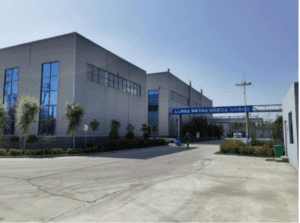
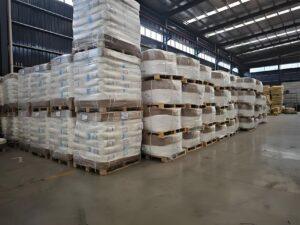
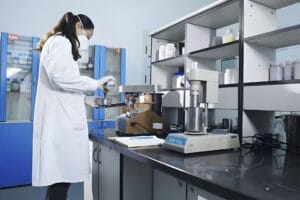
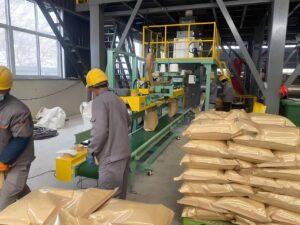
Производственные объекты
-1024x420.jpg "Полиакрилат калия (K-PAM)")