Optimizing Procurement: The Role of Polyacrylamide in Industrial Effluent Management
Industrial wastewater treatment facilities demand strict operational efficiency, and selecting the correct polymer is critical for optimizing both water clarity and chemical processing costs. For procurement officers and facility managers, partnering with a reliable polyacrylamide flocculant supplier ensures consistent access to high-grade polymers engineered for specific effluent profiles.
Polyacrylamide (PAM) acts as a highly effective flocculant, aggregating destabilized particles into larger, denser flocs that settle rapidly or filter easily. However, purchasing the right grade goes beyond simply choosing a polymer. This guide focuses on B2B procurement strategies, breaking down the selection, typical commercial specifications, and sourcing parameters of APAM, CPAM, and NPAM directly from a trusted PAM manufacturer in China.
Navigating APAM, CPAM, and NPAM for Industrial Applications
Matching the ionic charge of the polymer to the characteristics of the suspended solids in your wastewater is the foundational step in procurement. Formulating the wrong charge can lead to increased chemical consumption and poor clarification.
APAM for Wastewater Treatment (Anionic)
Anionic polyacrylamide carries a negative charge and is highly effective when treating effluents containing positively charged, inorganic suspended solids. APAM for wastewater treatment is widely specified in industries such as mining, metallurgy, coal washing, and sand washing. It forms large, dense flocs rapidly, accelerating the sedimentation process in primary clarifiers and thickeners.
CPAM for Sludge Dewatering (Cationic)
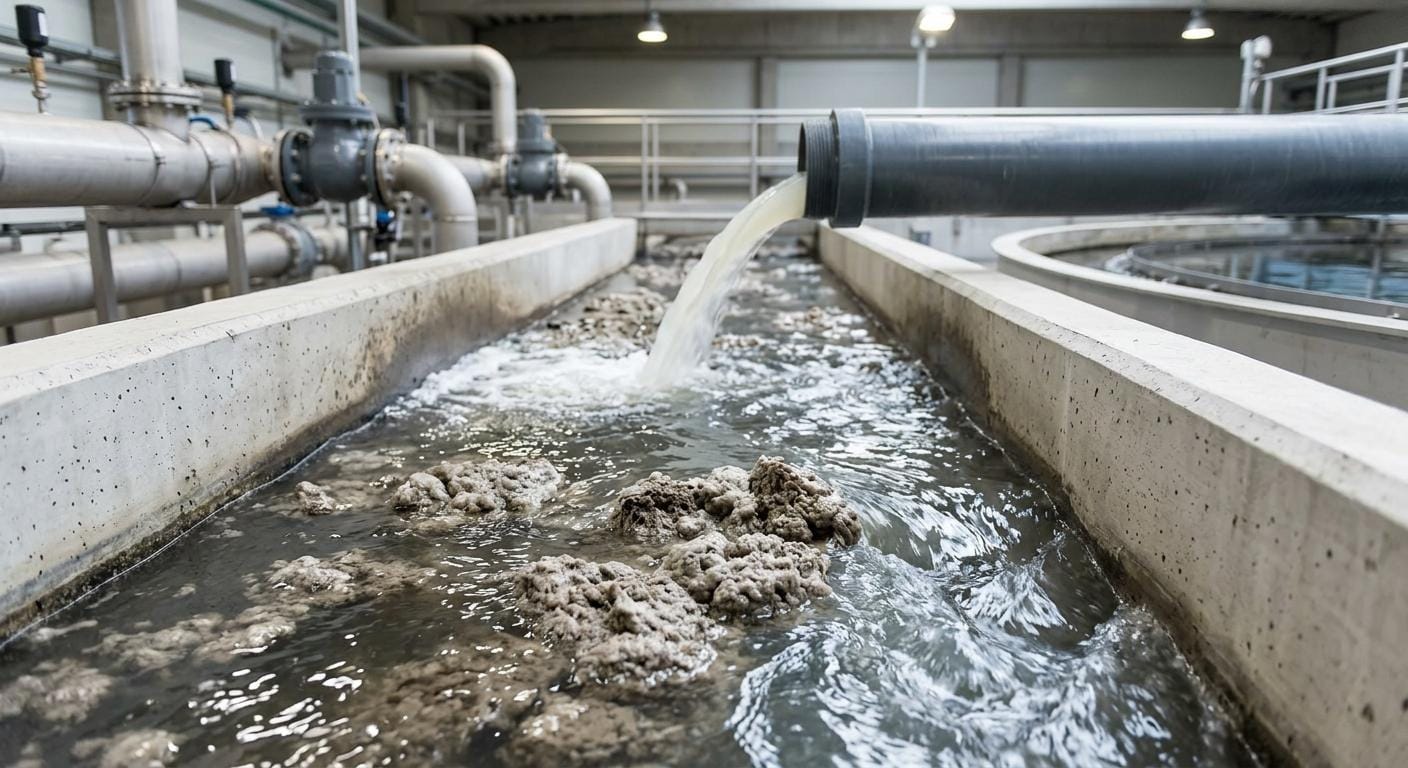
Cationic polyacrylamide carries a positive charge, making it indispensable for treating organic-rich wastewater. Municipal sewage plants, paper mills, and food processing facilities heavily rely on CPAM for sludge dewatering. Its positive charge neutralizes negatively charged organic colloids, facilitating a much drier filter cake in belt presses, centrifuges, and screw presses, ultimately reducing sludge hauling and disposal costs.
NPAM Flocculant (Non-ionic)
Because it carries no electrical charge, NPAM flocculant performs exceptionally well in highly acidic or highly saline wastewater where standard ionic polymers tend to lose their efficacy. It bridges particles primarily through hydrogen bonding rather than charge neutralization, making it a specialized and highly effective choice for textile processing and certain complex chemical manufacturing effluents.
Key Commercial Specifications for Procurement
When sourcing from a polyacrylamide flocculant supplier, understanding the standard commercial parameters is essential to ensure product consistency across production batches. Below are typical baseline specifications evaluated during procurement.
What to Provide When Requesting a Quotation
To receive an accurate and competitive quotation from a PAM manufacturer China, buyers must provide detailed information about their operational requirements. Vague requests often result in mismatched products and extended trial periods.
Effluent Profile
Specify your industry type, daily water treatment volume, pH levels, and primary contaminants. This dictates the core ionic charge needed.
Current Specifications
If replacing an existing chemical supplier, provide the molecular weight, charge density, and current dosage rate of the polymer you are presently using.
Volume & Packaging
Clearly state your anticipated monthly usage. Standard packaging is usually 25kg kraft paper bags or 750kg jumbo bags, though custom pallets can be requested.
Packaging, Storage, and Dosage Trial Guidance
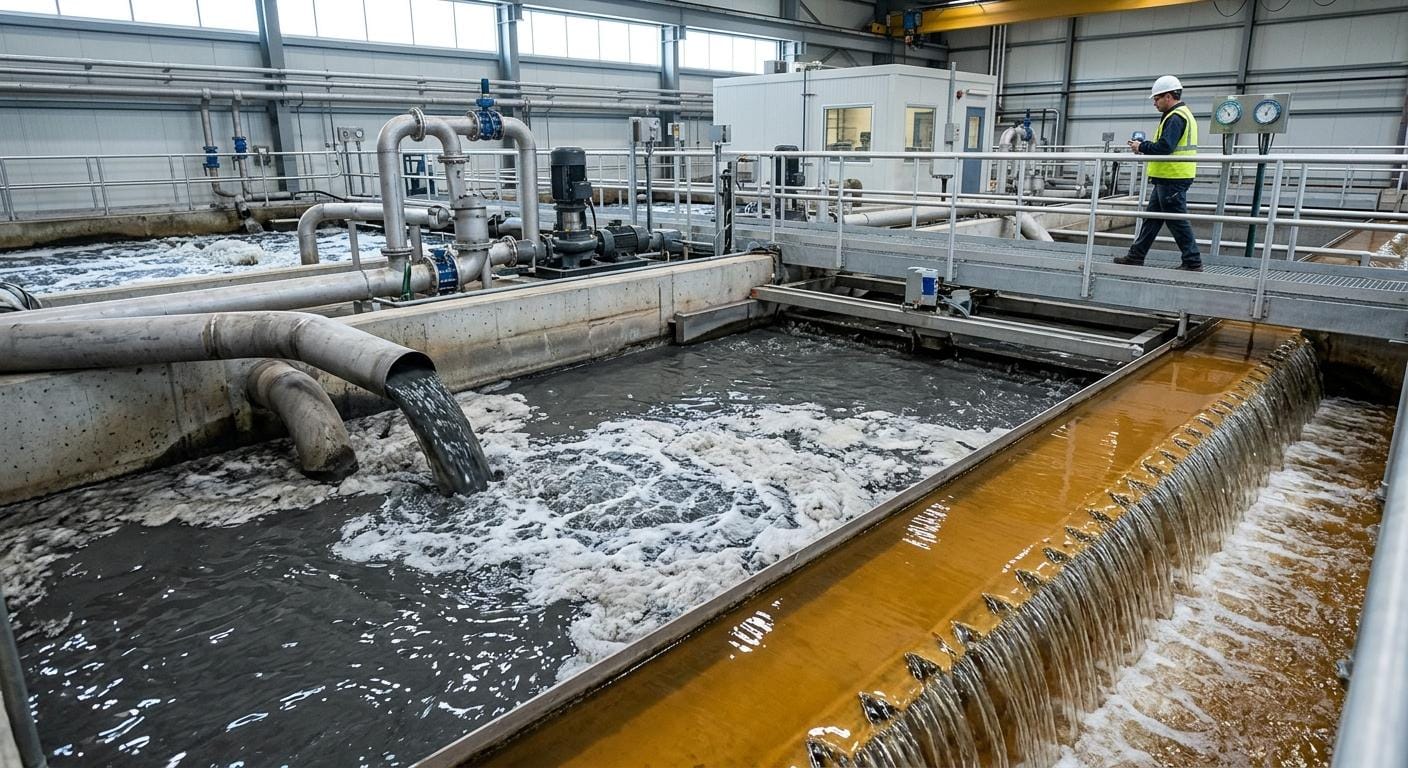
Proper logistical management of PAM is critical to maintaining its molecular integrity before it reaches the dosing tanks. Because dry PAM is highly hygroscopic, it will readily absorb moisture from the air, forming insoluble clumps that clog dosing equipment and reduce overall efficacy.
When implementing a new batch from a supplier, mandatory jar testing should be conducted. A standardized PAM solution preparation and dosing guide, together with a PAC and PAM jar-test guide, can help technicians identify the concentration range that performs best under actual plant conditions. Furthermore, PAM is often paired with a primary inorganic coagulant such as PAC (PolyAluminium Chloride). Finding the correct stoichiometric balance between the PAC coagulant and the PAM flocculant during laboratory trials is the key to minimizing total chemical expenditure while maximizing sludge dryness.
Evaluating a PAM Manufacturer in China
Sourcing from overseas requires verifying that a supplier can meet stringent industrial demands. Key evaluation criteria for a reliable factory include:
- Production Capacity: Guaranteeing uninterrupted supply during seasonal peaks or supply chain disruptions.
- Custom Formulation: The ability to adjust molecular weight and hydrolysis degree to match specific local plant conditions.
- Quality Assurance: Strict internal laboratory testing of solid content, dissolving time, and residual monomer limits prior to shipment.
- Export Experience: Proficiency in international logistics, hazardous materials documentation (if applicable), and customs clearance support.
Partner with a Premier PAM Manufacturer
Puyang Jinxiang Chemical provides high-performance APAM, CPAM, and NPAM flocculants engineered for industrial wastewater and sludge dewatering applications. Contact our technical team today for a tailored quotation and sample testing formulation.