Drilling Fluids: The Lifeline of Drilling Operations
In oil and gas drilling operations, drilling fluid, commonly known as drilling mud, is often referred to as the “lifeline” of the drilling process. It performs multiple critical functions, including transporting drill cuttings to the surface, cooling and lubricating the drill bit, balancing formation pressure, stabilizing the wellbore, suspending weighting materials, controlling fluid loss, and protecting productive formations.
As the development of deep wells, ultra-deep wells, horizontal wells, and unconventional oil and gas reservoirs continues to expand, drilling environments have become increasingly challenging. High temperatures, high pressures, reactive shale formations, and complex geological structures demand drilling fluid systems with superior performance. A well-designed drilling fluid system is essential for improving drilling efficiency, minimizing non-productive time (NPT), and reducing overall operating costs.
Common Drilling Challenges
During drilling operations, engineers frequently encounter a variety of downhole challenges, including:
- Shale hydration and swelling that lead to wellbore instability;
- Formation collapse resulting in tight holes, stuck pipe, and drilling interruptions;
- Increased torque and drag in extended-reach and horizontal wells;
- Excessive fluid loss causing formation damage;
- Poor rheological properties that reduce cuttings transport efficiency;
- Accumulation of harmful drilled solids, leading to higher viscosity and gel strength.
These challenges can significantly reduce the rate of penetration (ROP), increase drilling costs, extend drilling schedules, and in severe cases, cause major well-control incidents.
The Importance of High-Performance Drilling Fluid Additives
Modern water-based drilling fluid systems rely on a combination of specialized chemical additives to maintain stable performance under demanding drilling conditions.
Anti-sloughing lubricants help form a protective lubricating film on the wellbore wall, reducing friction, minimizing torque and drag, and improving wellbore stability. Shale inhibitors effectively suppress clay hydration and dispersion, reducing the risk of shale swelling and collapse. Fluid-loss control agents promote the formation of thin, low-permeability filter cakes, while weighting materials maintain the required mud density for safe well pressure control.
By working together, these additives enhance the overall performance of the drilling fluid system and contribute to safer, more efficient drilling operations.
Solids Control: Maintaining Drilling Fluid Performance
In addition to selecting high-quality drilling fluid additives, an efficient solids control system plays a vital role in maintaining drilling fluid performance.
During drilling, drilled cuttings and low-density harmful solids continuously enter the circulating drilling fluid. If these solids are not removed promptly, they can increase mud viscosity and gel strength, negatively affecting rheology and drilling efficiency.
Modern solids control equipment effectively separates harmful low-density solids while retaining valuable weighting materials such as barite. This process helps maintain stable mud density, improves rheological performance, extends drilling fluid service life, and reduces overall drilling fluid treatment costs.
FT-342 Non-Fluorescent Anti-Sloughing Lubricant: A Reliable Solution for Challenging Wells
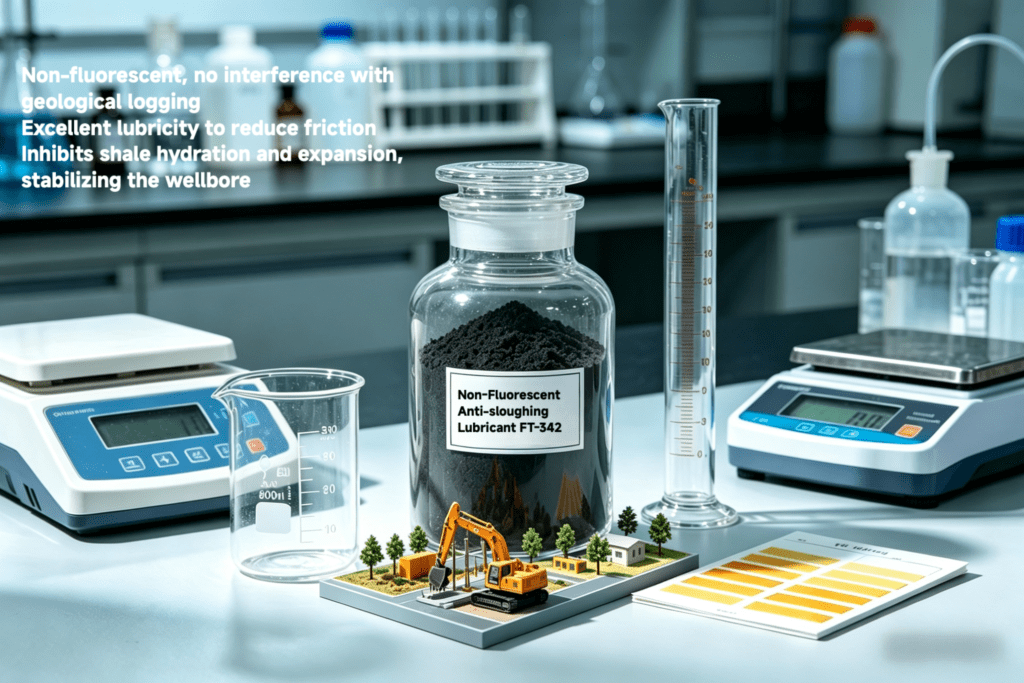
To address wellbore instability in complex drilling environments, Jinxing Chemical has developed FT-342 Non-Fluorescent Anti-Sloughing Lubricant.

Designed specifically for water-based drilling fluid systems, FT-342 combines excellent lubricity, shale stabilization, and outstanding compatibility with a wide range of drilling fluid additives. It is suitable for shale formations, horizontal wells, high-temperature wells, and other challenging drilling conditions.
Key benefits of FT-342 include:
- Improves wellbore stability and minimizes formation collapse;
- Reduces torque and drag, improving drilling efficiency and rate of penetration (ROP);
- Excellent thermal stability for demanding drilling environments;
- Compatible with polyacrylamide (PAM), carboxymethyl cellulose (CMC), xanthan gum, potassium polyacrylate (KPAM), sulfonated lignite (SMC), sulfonated phenolic resin (SPNH), and other drilling fluid additives;
- Easily incorporated into existing drilling fluid systems without adversely affecting overall fluid performance.
Following extensive laboratory testing and successful field applications, FT-342 has demonstrated reliable performance in multiple drilling projects, helping customers improve operational efficiency while reducing non-productive time.
Comprehensive Drilling Fluid Chemical Solutions from Jinxing Chemical
Jinxing Chemical provides a complete portfolio of drilling fluid chemicals to support a wide range of drilling applications, including:
- Anionic Polyacrylamide (APAM)
- Cationic Polyacrylamide (CPAM)
- Nonionic Polyacrylamide (NPAM)
- Carboxymethyl Cellulose (CMC)
- Xanthan Gum
- Potassium Polyacrylate (KPAM)
- Sulfonated Lignite (SMC)
- Sulfonated Phenolic Resin (SPNH)
- Barite Powder
- Silicone Defoamer
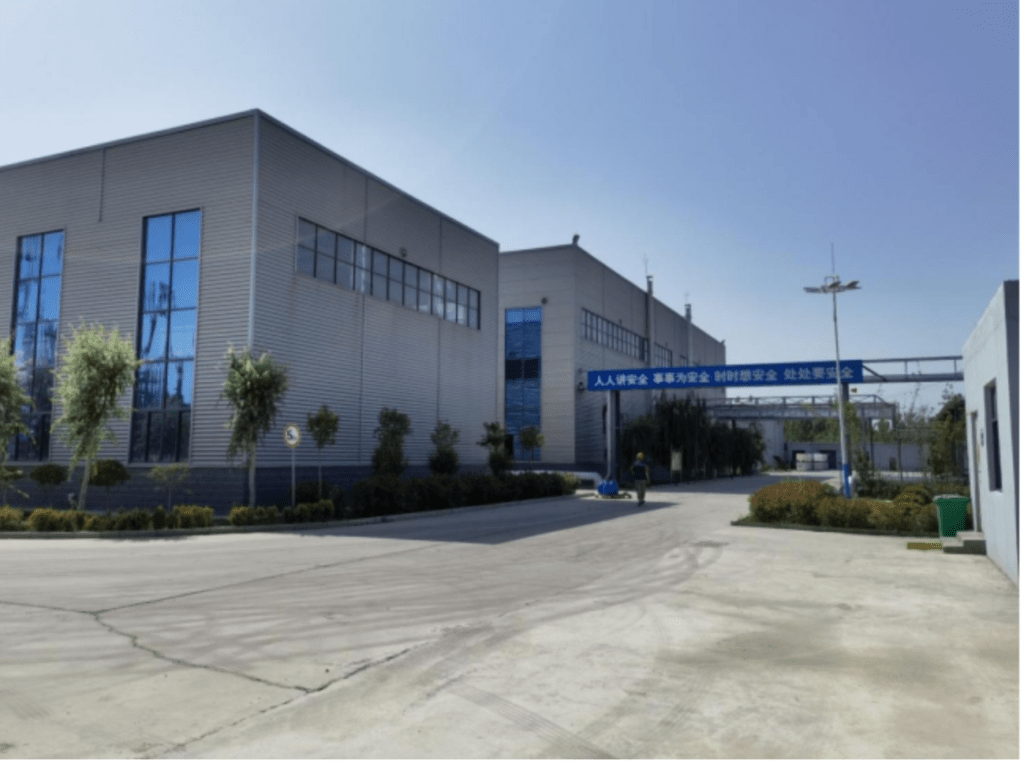
Backed by continuous research and development, strict quality control, and professional technical support, Jinxing Chemical is committed to providing reliable, high-performance drilling fluid chemical solutions for customers worldwide.
Conclusion
As oil and gas exploration continues to move toward deeper, more complex, and unconventional reservoirs, drilling fluid technology has become increasingly critical to drilling success.
Selecting high-quality drilling fluid additives with excellent stability and compatibility not only improves drilling efficiency but also minimizes operational risks and reduces overall drilling costs.
Jinxing Chemical remains committed to innovation, product quality, and customer-focused technical support, delivering reliable drilling fluid chemical solutions that contribute to safer, more efficient, and more cost-effective drilling operations worldwide.