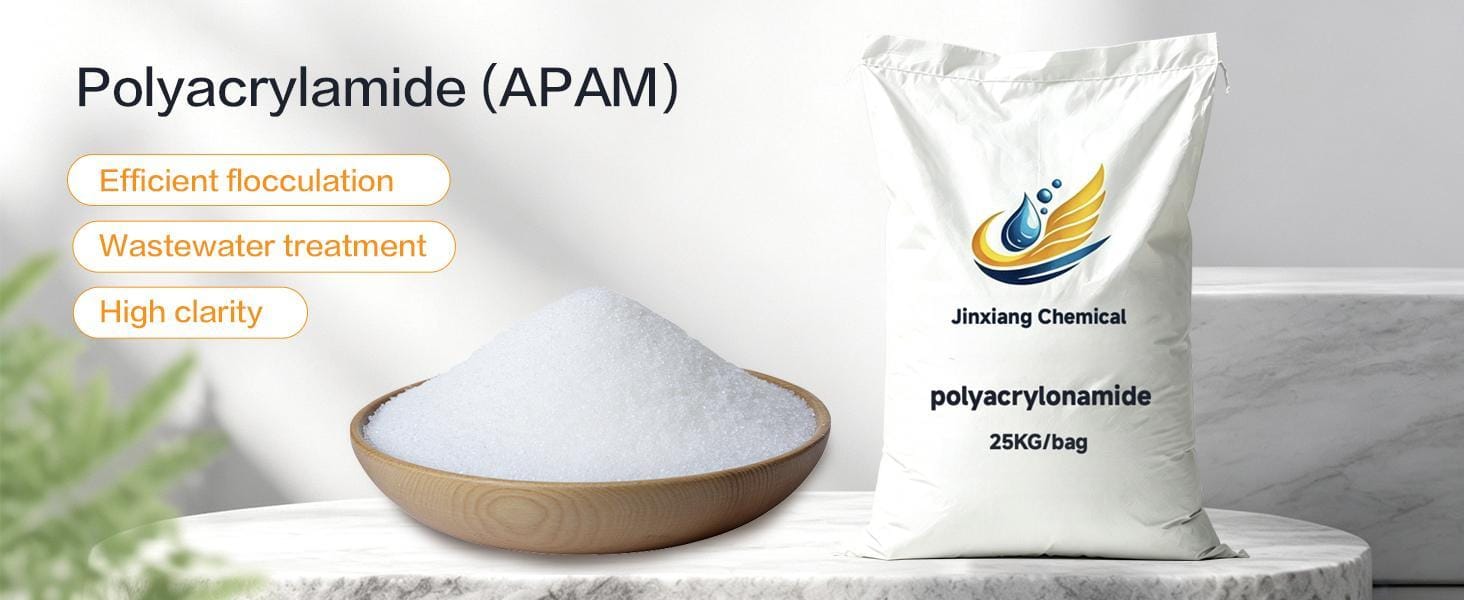
产品介绍
阴离子聚丙烯酰胺(APAM) 具有优异的絮凝、沉降、浓缩和过滤助剂性能。该产品广泛应用于工业和市政污水处理、矿物加工、煤炭洗选、造纸、纺织印染以及油料提取等行业。.
该产品的分子量范围为1200万至2400万,提供多种规格以满足特定的水质和工艺要求。 APAM具有溶解迅速、用量少、处理效率高的特点;它能快速形成大而致密的絮凝体,从而增强固液分离效果并降低运营成本。这是一种高效絮凝剂,广泛应用于现代水处理工艺中。.
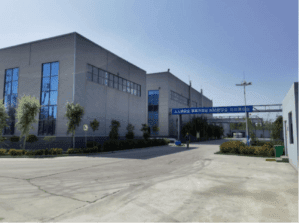
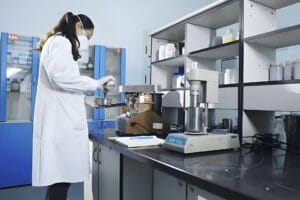
金翔化工采用成熟的聚合技术及严格的质量控制体系,以确保产品品质始终如一,满足各国及各行业客户的应用需求。.
产品特点
- High molecular weight provides excellent flocculation performance
- Rapidly forms large flocs
- Improves settling rate and dewatering efficiency
- Low dosage and high cost-effectiveness
- Stable performance and strong adaptability
- Custom molecular weight products available
应用领域
- Industrial Wastewater Treatment
- Textile and Dyeing Wastewater Treatment
- Pulp and Paper Wastewater Treatment
- River Sludge Treatment
- Oil Extraction and Oilfield Additives
产品优势
- 20多年的制造经验
- 稳定可靠的产品质量
- OEM customization services available
- Technical support for model selection
- Direct factory supply with highly competitive pricing
- Product model recommendations based on specific water quality
- 支持全球出口
包装与储存
包装:
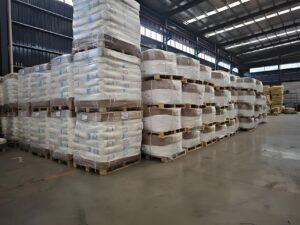
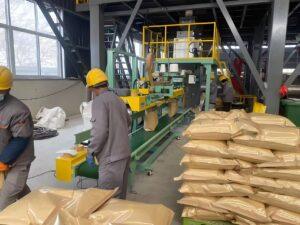
- 25-kilogram kraft paper composite bags (customizable)
- OEM packaging services available
存储:
- 请存放在阴凉、干燥且通风良好的地方;避免阳光直射和受潮。开封后请立即重新密封,以保持最佳性能。.
常见问题
1. What is the primary function of Anionic Polyacrylamide (APAM)?
APAM is a water-soluble high-molecular-weight polymer primarily used for flocculation, sedimentation, solid-liquid separation, sludge thickening, and the treatment of suspended particles. It is widely applied in sectors such as industrial wastewater treatment, mining, and papermaking.
2. What is the molecular weight of APAM?
Our APAM is available with molecular weights ranging from approximately 12 million to 24 million; specific grades can be selected based on the customer’s water quality and application conditions.
3. What is the difference between APAM and CPAM?
APAM carries an anionic charge, whereas CPAM carries a cationic charge. They are suitable for different types of wastewater, sludge, and suspended particles; the choice should be based on actual water sample testing.
4. What is the difference between APAM and NPAM?
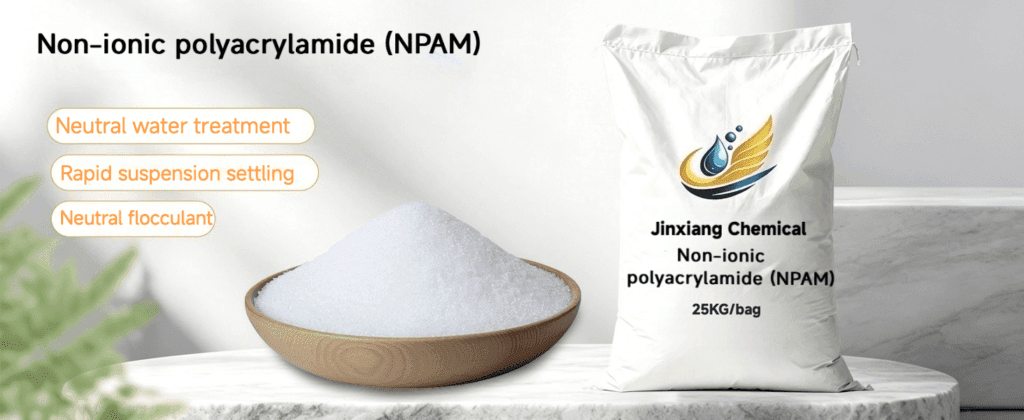
APAM exhibits distinct anionic characteristics, while NPAM has low ionicity. Flocculation performance can vary significantly between the two depending on the specific mineral slurry, industrial wastewater, or suspended particles involved.
5. Can APAM be used for industrial wastewater treatment?
Yes. APAM is commonly used for the flocculation, sedimentation, and solid-liquid separation of suspended solids in industrial wastewater; it promotes the aggregation of fine particles into larger flocs, thereby improving sedimentation efficiency.
6. Can APAM be used in mining and mineral processing?
Yes. APAM is used in processes such as mineral slurry sedimentation, tailings thickening, wash-water treatment, and solid-liquid separation. The specific grade should be selected based on mineral properties and slurry conditions.
7. Can APAM be used in conjunction with Polyaluminum Chloride (PAC)?
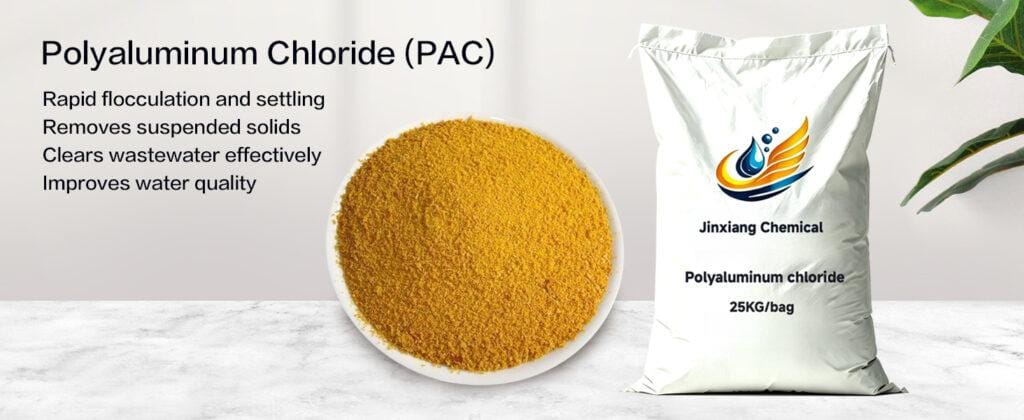
Yes. In many water treatment processes, PAC (Polyaluminum Chloride) is used first for coagulation, followed by APAM for flocculation, to facilitate the formation of larger flocs from micro-particles. However, the specific dosing sequence and dosage should be determined through jar testing.
8. Does a higher molecular weight mean better flocculation performance?
Not necessarily. Molecular weight is just one important factor in product selection; other variables—such as water quality, particle properties, ionicity, water temperature, pH, and the treatment process—must also be considered. A higher molecular weight is not always the most suitable choice.
9. How should APAM be dissolved?
It is recommended to add APAM to water slowly and evenly while stirring continuously to prevent clumping caused by adding a large amount at once. Allow the product to fully dissolve and mature before dosing.
10. What is the dissolution time for APAM?
The current product can be specified with a dissolution time of ≤60 minutes. Actual dissolution speed is influenced by factors such as water temperature, stirring speed, solution concentration, and product grade.
11. What is the recommended dosage for APAM?
There is no fixed standard dosage. The optimal dosage depends on the wastewater type, suspended solids concentration, pH, salinity, and target treatment results; conducting a jar test is recommended to determine the best product grade and dosage.
12. What is the solid content of APAM?
The current APAM product can be marketed with a solid content of ≥90%; however, official supply specifications and test results are subject to the specific product specifications and the Certificate of Analysis (COA) for the relevant batch.
13. What is the residual acrylamide level in APAM?
The current product is available in a grade with residual acrylamide ≤0.05%. Official product pages and technical documents should refer to the actual testing methods and batch-specific COA.
14. What is the applicable pH range for APAM?
Current product documentation specifies a pH range of 6–12. Actual performance should be verified based on specific water quality conditions.
15. What are the packaging specifications for APAM?
Standard packaging is 25 kg/bag; customized packaging is also available to meet customer needs and export/shipping requirements.
16. Can you provide the COA, TDS, and MSDS for APAM?
Yes, COA, TDS, and MSDS can be provided. Specific data—such as molecular weight, solid content, residual monomer levels, and dissolution time—are subject to the actual product grade supplied and the test results for the specific batch.
17. How do I select the right APAM grade?
We recommend that customers provide details regarding the industry, raw water/wastewater type, pH, suspended solids concentration, currently used chemicals, and treatment objectives. For critical projects, we suggest conducting a jar test with samples to determine the final grade based on factors such as floc size, settling speed, supernatant quality, and actual dosage.
工厂实景