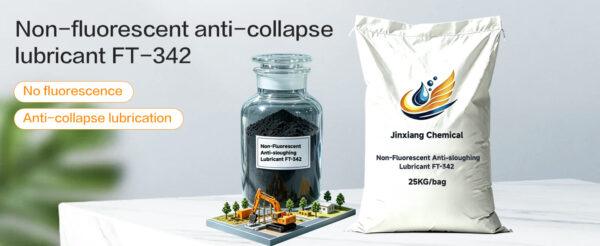
无荧光防塌陷润滑剂
产品描述
产品概述
Main Features & Functions
- 非荧光特性: 不会对测井解释造成干扰,非常适合勘探和开发钻井作业。.
- 卓越的润滑性与减阻性能: 显著降低摩擦系数,减少扭矩和卡钻阻力,并延长钻具的使用寿命。.
- 强大的防剥离与抑制效果: 抑制页岩的吸水、膨胀和分散,稳定井壁,并最大限度地降低坍塌和剥落的风险。.
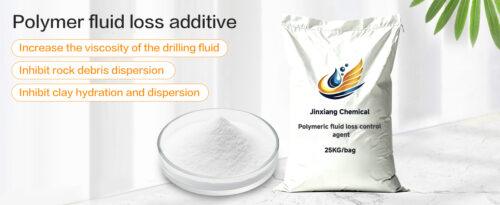
- 固体粉末状: 流动性良好的粉末,采用紧凑型包装,便于存放和携带。.
- 广泛兼容性: 与各类水基钻井液系统兼容,且不会对钻井液的其他性能产生不利影响。.
- 耐高温性: 在高温下仍能保持稳定的性能,应用范围广泛。.
Packaging Details
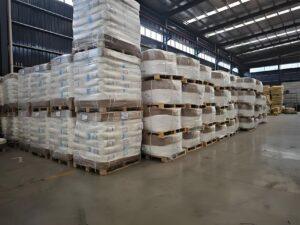
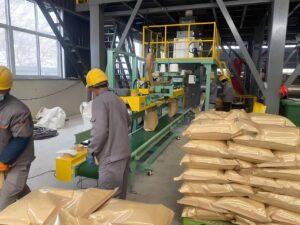
优质的包装能在长途运输过程中保持产品干燥、清洁和稳定,防止其吸湿和结块。.
- 存储: 请存放在阴凉、干燥且通风良好的地方。避免阳光直射、雨水和高温。.
- 保质期: 在适当的储存条件下,保质期为2年。.
- 交通: 非危险品,可通过海运和陆运运输,装卸方便。.
应用方法
- 准备工作: 可直接加入干粉状产品,或先用清水将其溶解后再加入。.
- 加法: 在搅拌的同时缓慢加入泥浆系统中,循环15-20分钟,直至完全分散。.
- 剂量调整: 标准用量为 0.5%–2.0%。对于易坍塌和摩擦力较大的路段,应适当增加用量。.
常见问题解答
1. What is the primary function of the non-fluorescent anti-sloughing lubricant in drilling fluids?
It is primarily used for wellbore stability, anti-sloughing, and lubrication/drag reduction. The product helps reduce friction between the drill string and the wellbore and improves the lubricating properties of the drilling fluid, while providing supplementary stabilization for formations prone to sloughing or caving.
2. Why is it called a “non-fluorescent” anti-sloughing lubricant?
“Non-fluorescent” means the product is designed to minimize interference with fluorescence-based geological logging observations, making it particularly suitable for oil and gas drilling operations that require fluorescence detection. Specific fluorescence ratings should be based on actual product test results.
3. Which drilling fluid systems is this product primarily suitable for?
It is mainly used in water-based drilling fluid (WBM) systems, particularly those requiring a balance of wellbore stability, lubrication/drag reduction, and geological logging compatibility.
4. What drilling issues can it address?
It primarily addresses problems such as wellbore sloughing and caving, high drill string friction and torque, increased drag during tripping operations, and friction control in directional or horizontal wells.
5. How does it improve wellbore stability?
The product provides a sealing and lubricating effect on the wellbore wall and cuttings surfaces, helping to mitigate adverse interactions between the drilling fluid and sensitive formations, thereby reducing the risk of sloughing and caving.
6. How is its lubricating effect demonstrated?
It helps reduce frictional resistance between the drill string, cuttings, and the wellbore wall, thereby improving the lubricating performance of the drilling fluid and assisting in the reduction of torque and drag.
7. Is the non-fluorescent anti-sloughing lubricant suitable for directional and horizontal wells?
Yes, it is suitable. Directional and horizontal wells typically involve larger contact areas between the drill string and the wellbore, resulting in higher demands for lubrication and friction control; this product can be considered for use based on the specific drilling fluid system on-site.
8. What is the product’s temperature resistance?
The current product is positioned for a temperature resistance range of 120–180°C; however, official technical specifications should be based on actual TDS data, laboratory high-temperature aging tests, and the specific product grade.
9. Can it be used in conjunction with KCl, K-PAM, and PHPA?
Yes, it can be used alongside them depending on the system formulation. While KCl, K-PAM, and PHPA primarily enhance shale inhibition and encapsulation, this non-fluorescent anti-sloughing lubricant focuses on preventing sloughing, assisting in wellbore stability, and providing lubrication and drag reduction; together, they form a more comprehensive wellbore stability solution.
10. How does it differ from standard drilling fluid lubricants?
Standard lubricants primarily focus on reducing the friction coefficient. In addition to lubrication and drag reduction, this non-fluorescent anti-sloughing lubricant emphasizes anti-sloughing properties, wellbore stability, and low/non-fluorescence characteristics, making it better suited for drilling operations with specific requirements regarding geological logging.
11. Under what circumstances is this product recommended?
It is highly recommended when clients report issues such as wellbore sloughing or spalling, increased drill string friction, high torque, or significant resistance during tripping operations, particularly when there is sensitivity to fluorescence interference during logging.
12. What is the recommended dosage?
The specific dosage should be determined based on formation characteristics, well type, the drilling fluid system, temperature, and target lubrication performance. It is recommended to conduct laboratory compatibility and lubrication performance tests before determining the optimal dosage for field application.
13. Can you provide the COA, TDS, and MSDS?
Yes, technical documents such as the COA, TDS, and MSDS can be provided. Specific parameters—such as temperature resistance, fluorescence grade, and lubrication coefficient—should be based on actual product specifications and batch test results.
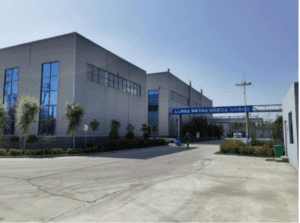
Factory scene