PAC coagulant is one of the most widely used chemicals in water and wastewater treatment. It helps remove suspended solids, turbidity, color and fine particles that are difficult to settle naturally.
For industrial buyers, PAC is often considered when wastewater clarification is unstable, turbidity remains high, or sludge formation is weak. However, choosing PAC only by price or aluminum content can lead to poor performance, excessive dosage or higher total treatment cost.
This guide explains how Coagulant PAC works, when to use it and what to check before selecting a supplier.
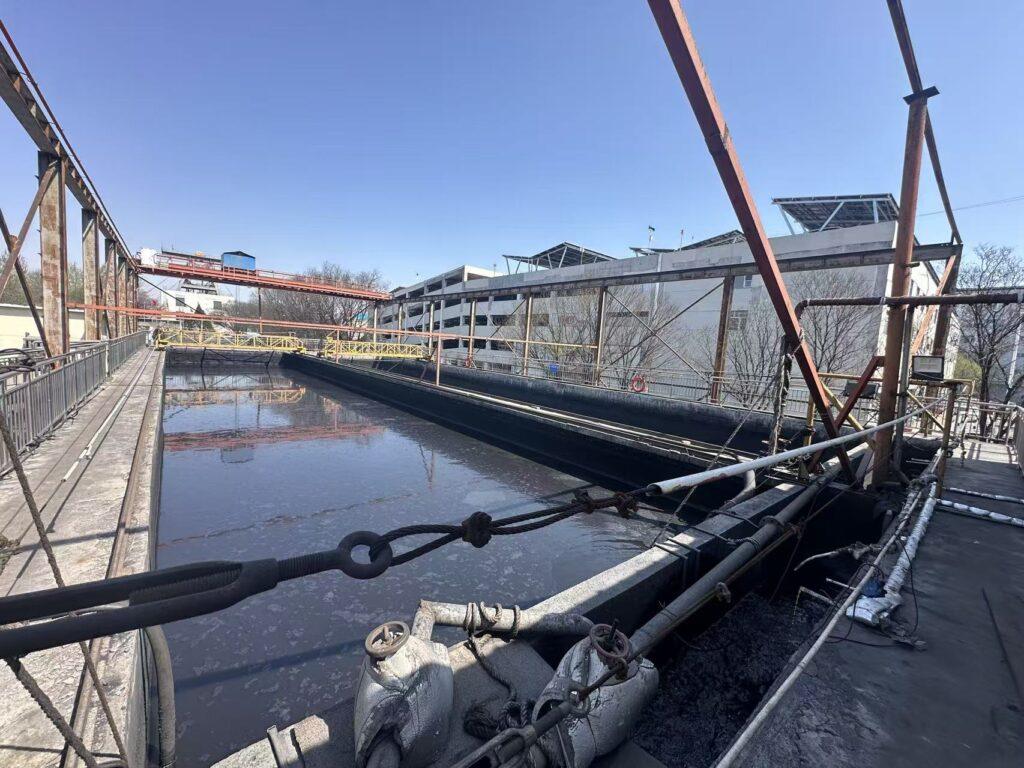
What Is PAC Coagulant?
PAC stands for polyaluminium chloride. It is an inorganic polymer coagulant used in drinking water treatment, municipal wastewater treatment and industrial wastewater treatment.
In a treatment system, fine particles in wastewater often carry surface charges. These charges keep particles dispersed in water, making them difficult to settle. PAC helps neutralize these charges so particles can come together and form larger aggregates.
In simple terms, polyaluminium chloride helps turn tiny suspended particles into larger particles that can be removed more easily by sedimentation, flotation or filtration.
How PAC Works in Water Treatment
PAC is usually added during the coagulation stage. After dosing, it quickly hydrolyzes in water and forms active aluminum species. These species help destabilize suspended particles and improve particle aggregation.
A typical PAC water treatment process may include:
- PAC dosing
- Rapid mixing
- Flocculation with slower mixing
- Sedimentation or flotation
- Filtration or further treatment
In many systems, PAC is used together with polyacrylamide flocculant. PAC destabilizes fine particles, while PAM helps build larger and stronger flocs. This combination can improve settling speed, water clarity and sludge separation.
When Should You Use PAC Coagulant?
PAC is useful when wastewater contains fine suspended solids, colloids, color or turbidity that cannot be removed efficiently by physical settling alone.
It is commonly used in:
- Municipal sewage treatment
- Traitement des eaux usées industrielles
- Traitement des eaux usées issues de l'industrie textile
- Traitement des eaux usées des papeteries
- Traitement des eaux usées minières
- Food processing wastewater
- Surface water clarification
PAC can be especially helpful when the treatment goal is to reduce turbidity, improve clarification, support downstream filtration or improve sludge formation.
For many industrial systems, PAC is part of a broader produits chimiques destinés au traitement de l'eau program rather than a standalone solution.
PAC vs Traditional Coagulants
PAC is often compared with alum and other inorganic coagulants. In many applications, PAC may offer faster floc formation, better turbidity removal and a wider usable pH range.
However, this does not mean PAC is always the best choice for every system. Wastewater composition, alkalinity, pH, temperature and treatment process all affect performance.
The best way to compare PAC with other coagulants is through jar testing. A jar test can show the required dosage, floc size, settling speed, sludge volume and treated water clarity.
What to Watch For When Choosing PAC
1. Product Grade
Not all PAC products are the same. Different grades may have different aluminum content, basicity, insoluble matter, appearance and application suitability.
For industrial wastewater, buyers should check whether the PAC grade is suitable for their wastewater type and treatment target.
2. Dosage Requirement
A low price per ton does not always mean lower treatment cost. If a cheaper PAC requires a much higher dosage, the total cost may be higher.
When comparing suppliers, test the actual dosage required to achieve the same treatment result.
3. pH and Alkalinity
PAC performance is affected by pH and alkalinity. If the wastewater pH is outside the suitable range, coagulation performance may decline.
In some cases, pH adjustment may be required before or after PAC dosing.
4. Floc Formation
Good PAC should help form visible, stable and settleable flocs. If flocs are too small, too light or easily broken, clarification may remain poor.
Floc performance also depends on mixing speed, dosing point and whether a flocculant is used after PAC.
5. Sludge Volume
PAC can improve clarification, but it also contributes to sludge formation. Buyers should consider sludge volume, sludge handling cost and whether sludge dewatering chemicals are needed.
For systems with difficult sludge, PAM may be used as a sludge conditioning agent after coagulation.
Common PAC Application Problems
One common problem is underdosing. Too little PAC may not neutralize particle charges effectively, resulting in poor floc formation.
Another problem is overdosing. Too much PAC may increase cost, create excess sludge or even reduce treatment efficiency.
Poor mixing is also a frequent issue. If PAC is not dispersed quickly and evenly, coagulation performance may be unstable.
Finally, some plants use PAC without checking wastewater changes. Industrial wastewater quality can change with production schedule, raw materials or seasonal conditions. PAC dosage should be reviewed when wastewater characteristics change.
How to Choose a PAC Supplier
A reliable PAC supplier should provide more than product price. Buyers should ask for specifications, sample testing support, packaging options and application guidance.
Before choosing a supplier, check:
- Product specification
- Aluminum content
- Basicité
- Matières insolubles
- Emballage
- Disponibilité des échantillons
- Expérience à l'exportation
- Homogénéité des lots
- Technical communication ability
A good water treatment chemicals supplier should help buyers choose the right PAC grade and explain how it works with other industrial water treatment chemicals, such as PAM and defoamers.
PAC and Other Water Treatment Chemicals
PAC is often used with other chemicals to improve the whole treatment process.
For example, PAC can be used before PAM to improve floc formation. In systems with foam problems, an agent anti-mousse industriel may also be required.
In textile wastewater, PAC may help reduce color and suspended solids. In paper mill wastewater, it may support fiber and filler removal. In municipal wastewater, PAC can support clarification and phosphorus-related treatment goals depending on the process.
This is why PAC should be selected as part of a full treatment plan, not as an isolated product.
Conclusion
PAC coagulant is a practical and widely used coagulant for wastewater and water treatment. It can help reduce turbidity, improve clarification and support better floc formation when used correctly.
However, PAC performance depends on product grade, dosage, pH, mixing conditions and wastewater characteristics. Industrial buyers should compare products through jar testing and focus on total treatment performance rather than only unit price.
Jinxiang Chemical fournit polyaluminium chloride for municipal wastewater, industrial wastewater, textile wastewater, paper mill wastewater, mining wastewater and other water treatment applications. Contact our team to discuss your water quality and choose a suitable PAC grade.
Questions fréquentes
What is PAC coagulant used for?
PAC coagulant is used to remove turbidity, suspended solids, color and fine particles from water and wastewater. It is widely used in municipal and industrial water treatment.
Is PAC the same as polyaluminium chloride?
Yes. PAC is the common abbreviation for polyaluminium chloride, an inorganic polymer coagulant used in water treatment.
Can PAC be used with PAM?
Yes. PAC is often used as a coagulant, while PAM is used as a flocculant. Using both products together can improve floc formation and solid-liquid separation.
How do I choose the right PAC dosage?
PAC dosage depends on wastewater quality, pH, turbidity, suspended solids and treatment goals. Jar testing is recommended before bulk use.
What should I check before buying PAC?
Buyers should check product grade, aluminum content, basicity, insoluble matter, dosage performance, packaging and supplier experience.
[…] selected polyacrylamide (PAM) flocculant. For background on PAC selection before testing, see the PAC water-treatment guide and the water treatment solution […]