Pengenalan Produk
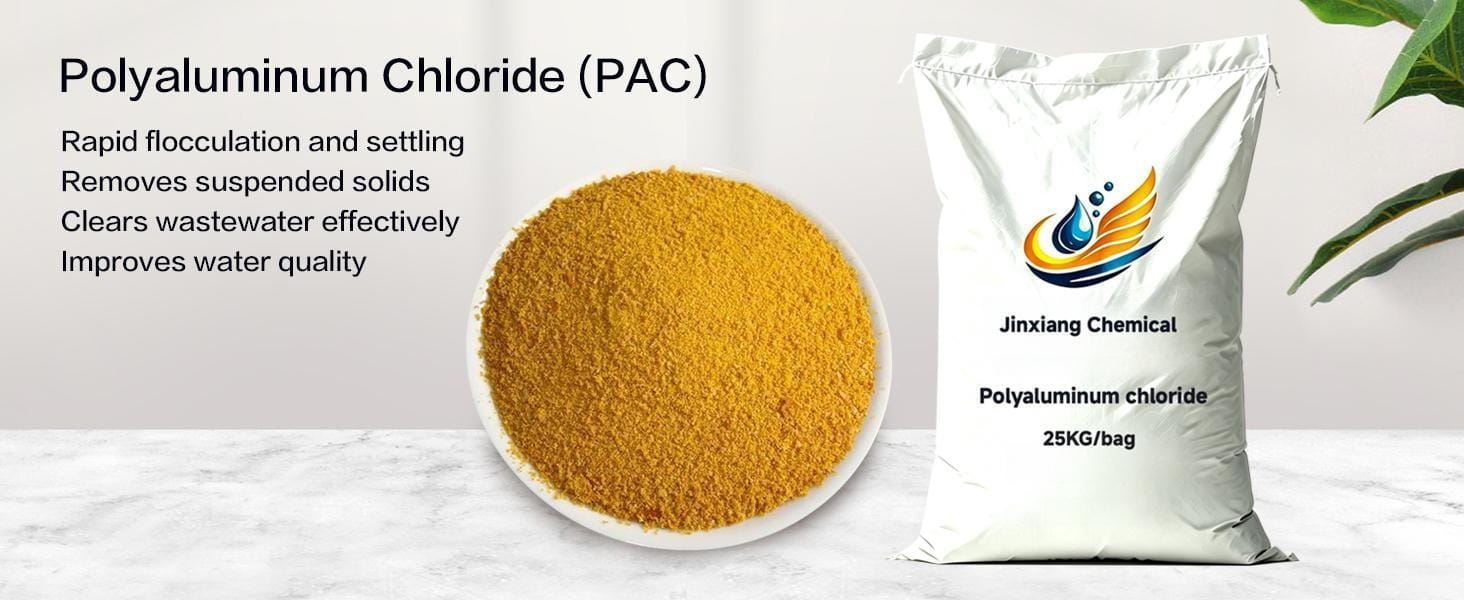
Polialuminium Klorida (PAC)
terutama digunakan untuk menghilangkan padatan tersuspensi, partikel koloid, warna, dan polutan organik tertentu dari air.
Selain air, PAC dengan cepat terhidrolisis untuk membentuk polimer hidroksi-aluminium dengan kemampuan netralisasi dan adsorpsi muatan yang kuat. Melalui mekanisme seperti netralisasi muatan, jembatan adsorpsi, dan flokulasi sapuan, hal ini mengganggu kestabilan partikel halus dan menggabungkannya menjadi flok yang lebih besar, sehingga meningkatkan efisiensi sedimentasi, flotasi udara terlarut (DAF), dan proses pemisahan padat-cair selanjutnya.
Dibandingkan dengan koagulan berbahan dasar aluminium tradisional, PAC menawarkan keunggulan seperti pembentukan flok yang cepat, karakteristik pengendapan yang sangat baik, penerapan yang luas pada berbagai kualitas air, dan kemudahan pengoperasian. Ini banyak digunakan dalam pengolahan air limbah industri, pengolahan limbah kota, dan sistem pengolahan air untuk sektor-sektor termasuk pertambangan (pengolahan mineral), pencucian batu bara, pembuatan kertas, serta pencetakan dan pencelupan tekstil.
Tergantung pada kondisi air baku dan air limbah tertentu, Uji Jar dapat dilakukan untuk menentukan tingkat PAC yang optimal, dosis, dan strategi aplikasi gabungan dengan poliakrilamida (PAM), memastikan kinerja pengolahan yang stabil dan penggunaan bahan kimia yang hemat biaya.
Keunggulan Produk
- Koagulasi cepat
- Secara efektif mengurangi kekeruhan air
- Membantu menghilangkan padatan tersuspensi dan partikel koloid
- Beradaptasi dengan berbagai kondisi air limbah industri
- Dapat digunakan bersamaan dengan PAM
- Cocok untuk berbagai proses pengolahan, seperti sedimentasi dan flotasi udara terlarut (DAF)
- Rekomendasi pemilihan produk tersedia berdasarkan kualitas air tertentu
Area Aplikasi Utama
Pengolahan Air Limbah Industri
- Digunakan untuk koagulasi-sedimentasi dan pemisahan padat-cair dalam air limbah industri, seperti dari pengolahan kimia.
Air Limbah Penambangan dan Pengolahan Mineral
- Memfasilitasi agregasi cepat partikel mineral halus, meningkatkan efisiensi sedimentasi dan klarifikasi.
Air Limbah Pencucian Batubara
- Digunakan untuk mengolah air bubur batubara untuk meningkatkan efisiensi pengendapan partikel lendir batubara yang tersuspensi; sering digunakan bersama dengan APAM.
Air Limbah Pulp dan Kertas
- Digunakan untuk mengurangi padatan tersuspensi dan kekeruhan, dan untuk membantu proses pengolahan biokimia atau lumpur selanjutnya.
Percetakan Tekstil dan Pencelupan Air Limbah
- Digunakan untuk koagulasi dan penghilangan kekeruhan, serta membantu mengurangi beban warna dan polusi.
Pengolahan Air Limbah Kota
- Berlaku untuk proses seperti koagulasi-sedimentasi dan peningkatan penghilangan fosfor; kadar produk tertentu dan tingkat dosis harus ditentukan berdasarkan pengujian kualitas air.
Pengemasan
- Tas anyaman 25 kg atau tas komposit kertas kraft
- Kemasan OEM tersedia
- Pencitraan merek dan pelabelan khusus didukung
- Simpan di tempat sejuk, kering, dan berventilasi baik; mencegah penyerapan air dan kerusakan paket.
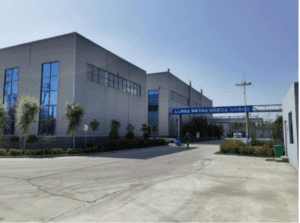
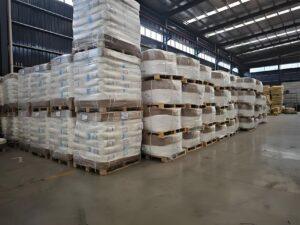
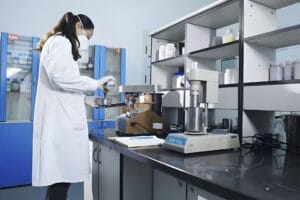
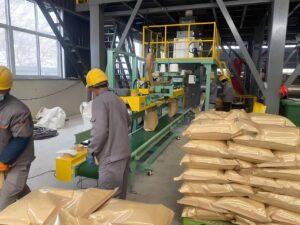
Fasilitas Pabrik
Pertanyaan yang Sering Diajukan
1. Apa fungsi utama Polialuminium Klorida (PAC)?
PAC adalah koagulan polimer anorganik yang banyak digunakan. Hal ini terutama digunakan untuk menghilangkan padatan tersuspensi, partikel koloid, kekeruhan, dan zat organik tertentu dari air. Ini mendorong pembentukan flok dari kotoran, memungkinkannya mengendap dan dengan demikian meningkatkan kualitas air.
2. Di sektor pengolahan air manakah PAC terutama digunakan?
PAC digunakan dalam pengolahan air limbah industri, limbah kota, air limbah pencelupan tekstil, air limbah pembuatan kertas, air limbah pertambangan, dan aplikasi air industri lainnya. Nilai yang sesuai harus dipilih berdasarkan kualitas air spesifik dan persyaratan aplikasi.
3. Apa kandungan Al₂O₃ pada PAC?
Kami menawarkan nilai PAC dengan kandungan Al₂O₃ berkisar antara 26% hingga 30%. Spesifikasi spesifik dapat dipilih berdasarkan kualitas air pelanggan, aplikasi, dan persyaratan pengolahan.
4. Bagaimana cara kerja PAC?
Ketika ditambahkan ke air, PAC mengganggu kestabilan padatan tersuspensi halus dan koloid melalui mekanisme seperti netralisasi muatan, jembatan adsorpsi, kompresi lapisan ganda listrik, dan flokulasi sapuan. Hal ini menyebabkan partikel berkumpul menjadi flok yang lebih besar, memfasilitasi sedimentasi atau filtrasi selanjutnya.
5. Apa perbedaan antara PAC dan Poliakrilamida (PAM)?
PAC pada dasarnya adalah koagulan yang digunakan untuk mengganggu kestabilan koloid dan partikel halus. PAM biasanya bertindak sebagai flokulan, menggunakan penghubung polimer untuk mendorong agregasi flok kecil menjadi kelompok flok yang lebih besar. Keduanya sering digunakan secara kombinasi dalam proyek pengolahan air.
6. Apakah PAC dapat digunakan bersamaan dengan APAM?
Ya. Proses yang umum melibatkan penambahan PAC terlebih dahulu untuk koagulasi, diikuti dengan penambahan APAM yang sesuai (berdasarkan kualitas air) untuk flokulasi guna membentuk flok yang lebih besar dan lebih mudah mengendap. Urutan dosis dan dosis spesifik harus ditentukan melalui pengujian di laboratorium Jinxiang.
7. Apakah kandungan Al₂O₃ yang lebih tinggi menjamin hasil pengobatan yang lebih baik?
Belum tentu. Meskipun kandungan Al₂O₃ merupakan indikator utama, kinerja pengolahan sebenarnya juga bergantung pada faktor-faktor seperti kebasaan, kandungan yang tidak larut dalam air, pH air mentah, kekeruhan, suhu, dan komposisi polutan. Oleh karena itu, kinerja produk tidak dapat dinilai hanya dari kandungan Al₂O₃.
8. Bagaimana cara memilih antara 26%, 28%, dan 30% PAC?
Tingkat konten yang berbeda sesuai dengan tingkatan produk dan persyaratan aplikasi yang berbeda. Untuk air limbah industri, kadar PAC yang sesuai dapat dipilih berdasarkan biaya dan kinerja pengolahan; untuk proyek yang memerlukan kontrol lebih ketat terhadap kualitas air, kelarutan, dan pengotor, pemilihan harus didasarkan pada serangkaian spesifikasi teknis yang komprehensif, bukan hanya kandungan Al₂O₃.
9. Dapatkah PAC mengolah air limbah dengan kekeruhan tinggi?
Ya. PAC efektif dalam mengentalkan air dengan padatan tersuspensi dan koloid tingkat tinggi; namun, untuk proyek yang melibatkan kekeruhan tinggi atau fluktuasi kualitas air yang signifikan, uji jar harus dilakukan untuk menentukan kadar dan dosis PAC yang optimal.
10. Dapatkah PAC digunakan untuk pencetakan tekstil dan pewarnaan air limbah?
Ya. PAC dapat digunakan untuk koagulasi, penghilangan padatan tersuspensi, dan pengurangan sebagian warna dalam pencetakan dan pencelupan air limbah; ini juga dapat digunakan bersama dengan flokulan seperti PAM, tergantung pada kualitas air spesifik.
11. Apakah PAC dapat digunakan untuk menambang air limbah?
Ya. PAC dapat digunakan untuk koagulasi dan pemisahan padat-cair dalam sistem seperti drainase tambang dan air pencucian bijih, membantu menghilangkan partikel halus yang tersuspensi. Rencana pengolahan khusus harus ditentukan berdasarkan jenis mineral dan analisis kualitas air.
12. Berapa dosis yang dianjurkan untuk PAC?
Tidak ada dosis tunggal yang tetap. Penggunaan sebenarnya bergantung pada faktor-faktor seperti kekeruhan air baku, pH, konsentrasi padatan tersuspensi, komposisi polutan, dan kualitas limbah target; dianjurkan untuk melakukan jar test untuk menentukan dosis optimal.
13. Apakah penyesuaian pH diperlukan saat menggunakan PAC?
Hal ini tergantung pada kondisi air baku. Kinerja koagulasi PAC dipengaruhi oleh pH dan alkalinitas; oleh karena itu, untuk jenis air limbah tertentu, diperlukan eksperimen untuk menentukan kisaran pH dan kondisi takaran yang optimal.
14. Haruskah PAC diberikan secara langsung atau disiapkan sebagai larutan terlebih dahulu?
Dalam aplikasi praktis, tergantung pada peralatan takaran dan persyaratan proses, PAC padat dapat dibuat menjadi larutan dengan konsentrasi tertentu dan kemudian diukur ke dalam sistem. Konsentrasi persiapan khusus dan prosedur operasional harus ditentukan berdasarkan peralatan di lokasi dan spesifikasi produk.
15. Apa spesifikasi kemasan PAC?
Kemasan standar adalah 25 kg per kantong; kemasan yang disesuaikan juga tersedia untuk memenuhi kebutuhan pelanggan dan persyaratan ekspor/pengiriman.
16. Bisakah Anda memberikan COA, TDS, dan MSDS untuk PAC?
Ya, COA, TDS, dan MSDS dapat disediakan. Parameter teknis tertentu—seperti kandungan Al₂O₃, kebasaan, pH, dan bahan yang tidak larut dalam air—tergantung pada kualitas produk sebenarnya dan hasil pengujian dari batch yang bersangkutan.
17. Bagaimana seharusnya pelanggan menentukan jenis PAC yang akan digunakan?
Pelanggan disarankan untuk memberikan informasi mengenai industri aplikasi, jenis air baku, pH, kekeruhan, kandungan padatan tersuspensi, bahan kimia yang saat ini digunakan, dan tujuan pengolahan. Untuk proyek skala besar, disarankan untuk melakukan pengujian sampel terlebih dahulu dan kemudian menentukan kualitas produk akhir berdasarkan kecepatan koagulasi, karakteristik flok, kinerja pengendapan, kualitas supernatan, dan biaya unit perawatan.
-1024x420.png "Poliakrilamida Kationik (CPAM)")